Grand Canyon West vs South Rim compared on cost, scenery, distance, and activities—see which rim fits your trip priorities and budget best.
Grand Canyon West vs South Rim: The Core Trade-Off
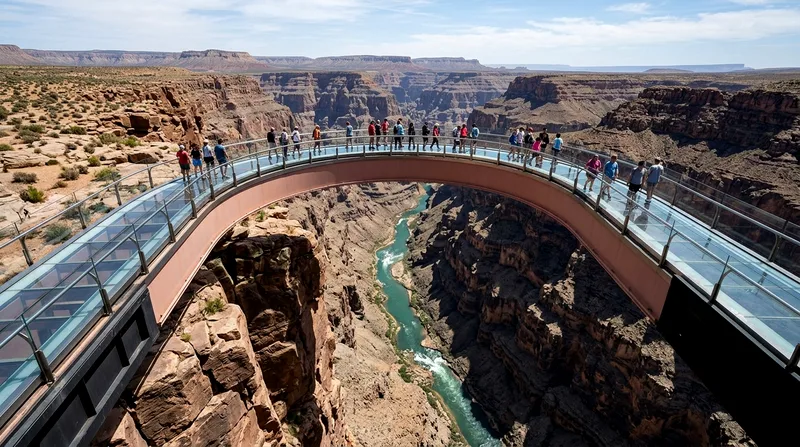
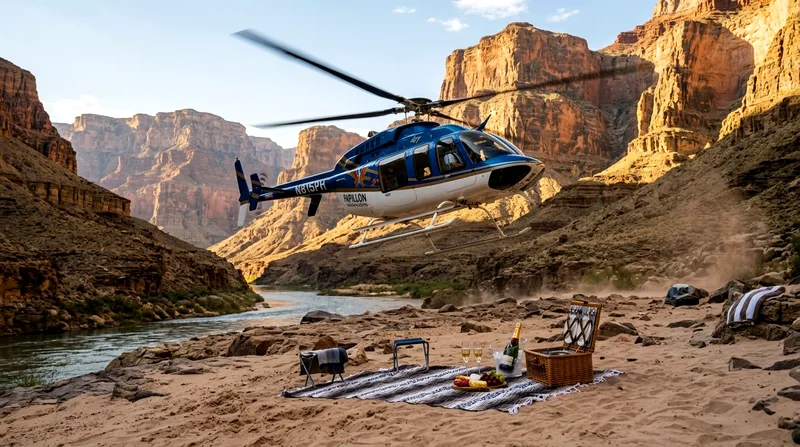
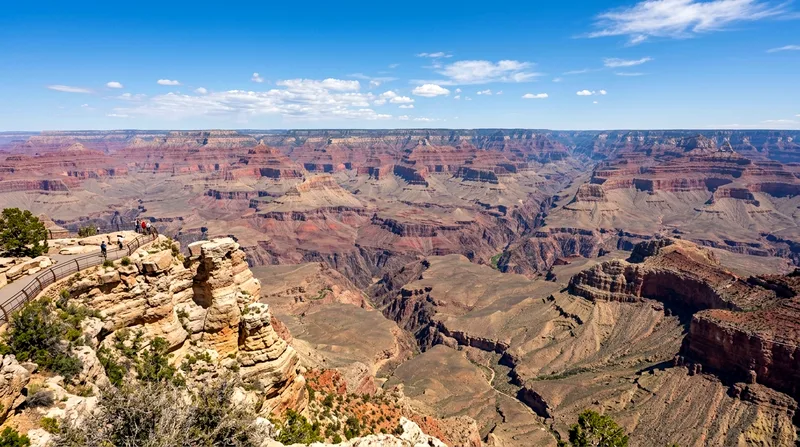
Both rims show you pieces of the same 277-mile canyon system carved by the Colorado River, but they couldn't feel more different on the ground. Grand Canyon West sits on Hualapai Tribe land, about 120 miles from Las Vegas, and markets itself around the glass-bottomed Skywalk and quick helicopter rides. The South Rim is the Grand Canyon most people have seen in photographs—Grand Canyon Village, mile-deep views from paved overlooks, the Bright Angel and Rim Trails, and the full infrastructure of a National Park Service unit that draws nearly 5 million visitors a year.
The decision usually comes down to this: how much time do you have, and what do you actually want from the visit? If you're staying in Las Vegas for a few days and want a half-day or full-day excursion, Grand Canyon West is the only realistic option. If you're building a dedicated Southwest trip—maybe pairing it with Zion National Park, Bryce Canyon, or Sedona—the South Rim is worth the extra driving.
Quick Comparison: West Rim vs South Rim
Here's the breakdown reduced to the factors that actually drive the decision—distance, cost, time commitment, and what you get for it. Neither rim is "wrong," but they serve different trips.
The South Rim offers deeper canyon views and more activities, while Grand Canyon West wins on proximity to Las Vegas and quick-trip convenience.
Grand Canyon West vs South Rim comparison by distance, cost, and experience
| Rim | Distance from Las Vegas | Typical Entry Cost | Time Needed | Managed By | Best For |
|---|---|---|---|---|---|
| Grand Canyon West | approx. 120 miles (2-2.5 hr drive) | approx. $50-100+ package (tribal fees, Skywalk extra) | Half day to full day | Hualapai Tribe | Quick Vegas add-on, Skywalk, short helicopter rides |
| South Rim | approx. 280 miles (4.5-5 hr drive) | approx. $35 per vehicle (7-day NPS pass) | 1-3+ days | National Park Service | Hiking, classic views, longer Southwest itineraries |
Figures are typical ranges and change over time—check current entrance fees and tour pricing before you book.
Location, Distance, and Travel Time
Distance is the single biggest factor separating these two rims, and it's worth being blunt about it: they aren't really substitutes for each other, they're different trips entirely.
Scenery, Views, and Crowds
This is where the gap in reputation becomes a gap in substance. The South Rim averages around 7,000 feet in elevation and overlooks the widest, deepest sections of the canyon, with the Colorado River visible from several points and layered rock formations stretching for miles in every direction. Grand Canyon West sits lower, closer to 4,800 feet, in a narrower, less dramatic section of canyon—scenic, but noticeably less grand than what you'll see from Mather Point or Yavapai Point on the South Rim.
Cost Breakdown and Value
Cost comparisons here aren't apples to apples, because the two rims charge for fundamentally different things. The South Rim's entrance fee covers access to the entire park for seven days; Grand Canyon West charges package-style tribal fees that bundle shuttle access and sometimes meals, with the Skywalk and helicopter rides priced as separate add-ons.
Activities and What You Can Do
The South Rim is built for people who want to spend real time in the landscape—hiking below the rim, mule rides, ranger talks, stargazing programs, and access to the Rim Trail that runs for miles along the canyon edge with minimal elevation change. Grand Canyon West is built for a tighter, more curated set of experiences packaged for day-trippers from Las Vegas.
Which Rim Should You Choose?
If you're trying to decide between South Rim or West Rim, match the choice to your trip structure rather than reputation alone. Comparing this decision to other Southwest stops helps: just as you wouldn't swap Antelope Canyon for Horseshoe Bend expecting the same experience, swapping South Rim for West Rim changes what kind of trip you're having, not just the scenery.
Frequently asked questions
Is Grand Canyon West worth visiting compared to South Rim?
It depends on your time budget. If you're in Las Vegas for a short stay and want a half-day or full-day excursion with minimal driving, Grand Canyon West and its Skywalk are worth it. If you have more than a day and want the fuller canyon experience with hiking and varied viewpoints, the South Rim delivers more for similar or lower cost.
How far is Grand Canyon West from Las Vegas?
Grand Canyon West is about 120 miles from the Las Vegas Strip, roughly a two to two-and-a-half hour drive each way. Many visitors do it as a long day trip, though an overnight nearby makes the pace less rushed, especially if you're adding a helicopter tour.
Which rim is cheaper to visit?
The South Rim is cheaper overall. A National Park Service vehicle pass costs around $35 and covers seven days of unlimited access. Grand Canyon West charges package-style admission, typically $50-$90 per person, with the Skywalk and helicopter rides priced as separate add-ons that push costs higher quickly.
What activities are unique to each rim?
Grand Canyon West has exclusive access to the Skywalk glass bridge and shorter helicopter tours that can include a landing near the Colorado River. The South Rim offers below-rim hiking trails like Bright Angel and South Kaibab, mule rides, ranger-led programs, and a free shuttle system covering multiple viewpoints along miles of rim.
Which rim should I visit if I only have one day?
If you're based in Las Vegas, Grand Canyon West is the realistic one-day option given the shorter drive. If you're already near Flagstaff, Williams, or Phoenix, the South Rim works fine for a single day—arrive early, hit Mather Point, Yavapai Point, and Hopi Point, and skip the deeper hikes.