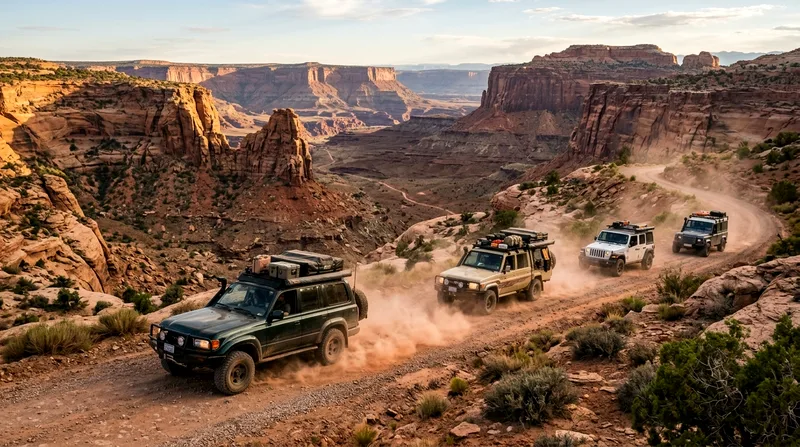
Grand Canyon Overland Camping Tours: Multi-Day Adventures
Compare Grand Canyon overland camping tours: jeep routes, backcountry camping, permits, and seasons. Plan a multi-day 4WD adventure with confidence.
9 min read · 15 Oct 2026
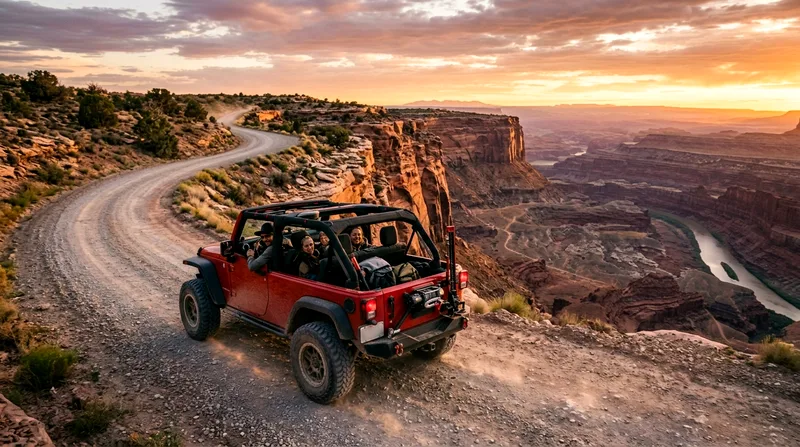
Tours & activities
Compare Grand Canyon jeep tours by route, duration, terrain difficulty & vehicle type. Find the right off-road adventure for your skill level.
Grand Canyon jeep tours aren't one product — they split into two broad camps, and the difference matters more than any brochure photo suggests. One camp is scenic and comfortable: paved or lightly graded roads, open-air vehicles, stops at overlooks like Grandview Point, narration about geology and history. The other camp is genuinely off-road, bouncing through Kaibab National Forest on rutted dirt tracks that require a suspension built for abuse, not a rental sedan.
If you're traveling with young kids or older relatives, the scenic category is almost always the better call. It's shorter, smoother, and doesn't demand much physical tolerance for jostling. If you're the type who gets restless on a standard bus tour and wants something that actually feels like an adventure — bumping along a forest road, stopping at a rim-edge clearing no tour bus could reach — the off-road category delivers that, though it's not for anyone with a bad back or a tendency toward carsickness.
Off-road and backcountry jeep tours out of Tusayan are built for people who want dirt roads, tight switchbacks, and a driver who treats the Kaibab Forest trails like a mild obstacle course. Expect open-sided vehicles, dust, and a few stretches where you'll grip the roll bar. These trips typically run two to four hours and venture into areas regular tour buses can't access — including spots near old homestead sites and informal viewpoints away from the crowds at the main rim overlooks. If you paraglide, mountain bike, or do backcountry hikes elsewhere, this is the jeep tour category that will actually hold your interest. It won't satisfy anyone hoping for a smooth, narrated history lesson.
Sunset-focused and scenic-route tours are built around light and views, not speed or dirt. Vehicles stop longer at each overlook, drivers know which pullouts face west for the best color, and the pace is slow enough to set up a tripod without feeling rushed. These suit couples, solo travelers who want company without commitment to a hiking itinerary, and anyone shooting photos seriously. The trade-off: you're sharing the overlook with everyone else who booked a similar sunset slot, so don't expect solitude. If isolation matters more than comfort, the off-road category gets you farther from other visitors, even if the views themselves are less dramatically angled toward sunset colors.
Strip away the marketing language and Grand Canyon jeep tours fall into three real categories: sunset/scenic drives, daytime rim-area tours with cultural or historical stops, and genuine off-road backcountry trips. A fourth hybrid category combines a jeep leg with another activity — a short hike, a stop at a viewpoint also reachable by the free park shuttle, or a combined jeep-and-helicopter package. That hybrid option tends to cost more per hour than a standalone tour, so weigh it against booking a helicopter flight and a jeep tour separately if budget matters.
Operators like Pink Jeep Tours and smaller outfits such as Grand Canyon Jeep Tours & Safaris run most of the Tusayan-based trips, and their route names change often enough that comparing by category — not brand — is the more reliable way to shop. Expect daytime rim tours to run roughly two to three hours, sunset tours slightly shorter but timed tightly around golden hour, and backcountry off-road trips to run three to five hours depending on how far into Kaibab Forest the route goes.
Scenic and sunset tours run shorter and smoother, while backcountry off-road tours take longer and demand more physical tolerance for rough terrain.
Grand Canyon jeep tour categories compared by route, duration, terrain, and group size
| Tour Category | Typical Duration | Terrain Difficulty | Typical Group Size | Best For |
|---|---|---|---|---|
| Sunset/scenic rim tour | 2-3 hours | Easy, mostly paved/graded | 6-14 passengers | Couples, seniors, photographers |
| Daytime cultural/history tour | 2-3 hours | Easy to moderate | 6-14 passengers | Families, first-time visitors |
| Off-road backcountry safari | 3-5 hours | Moderate to challenging, dirt/rutted | 4-10 passengers | Adventure seekers, hikers |
| Combined jeep + activity package | 4-7 hours | Varies by activity | 4-10 passengers | Travelers short on time, world travelers |
Durations and group sizes are typical ranges advertised by Tusayan-based operators; always confirm current terrain conditions and group size before booking.
These are the most heavily booked jeep tours at the Grand Canyon, and for good reason — they require no hiking fitness and deliver a reliable payoff. Vehicles usually follow paved park roads or well-maintained gravel, stopping at several South Rim overlooks including Grandview Point, with the driver timing the last stop to catch sunset. Expect narration on canyon geology, the Colorado River's carving history, and sometimes details on Native American rock art sites found in the region, though access to actual rock art panels on a standard tour is limited — don't book expecting a guaranteed close-up unless the listing specifically mentions it. The downside: you're often on roads a rental car could drive, so you're partly paying for narration and convenience rather than inaccessible terrain.
The biggest mistake travelers make booking a Grand Canyon jeep tour is assuming all listings labeled "4x4 adventure" or "jeep safari" mean the same thing. They don't. Read past the headline photo — usually a pink jeep tilted dramatically on a rock — and check the actual route description, stop list, and whether the forest road sections are genuinely unpaved or just gravel park roads dressed up for marketing.
Most jeep tours include hotel or Tusayan-area pickup, bottled water, and a narrated guide — but not park entrance fees in every case, so check that detail specifically. Vehicles are usually open-sided, seating six to fourteen people depending on the operator, with some running smaller four-to-six-seat rigs for a more personal, bumpier backcountry experience. Smaller groups generally mean better photo access and more flexibility to stop, but also a higher per-person cost. If you've got mobility concerns, ask whether the vehicle requires climbing up — many jeeps sit higher than a standard SUV, and that step up can be a genuine obstacle for some senior travelers or anyone recovering from injury.
You'll find most Grand Canyon jeep tours listed through Viator, Expedia, TripAdvisor, or regional booking sites like Go-Arizona, alongside direct operator sites. Cross-check listings across at least two platforms — the same tour sometimes shows different cancellation windows or inclusions depending on where it's listed. Free cancellation up to 24 hours before departure is common but not universal, especially for small-group or sunset-specific departures that sell out fast. Read the most recent reviews rather than the overall star rating; a tour's quality can shift with staffing changes, and a 4.5-star average built on old reviews doesn't guarantee the same driver or vehicle condition today. Always compare current prices and availability on the booking platform before confirming — don't rely on a screenshot from months ago.
Timing a Grand Canyon jeep tour is partly about season and partly about securing the departure slot you actually want, since sunset tours in particular fill up during peak months.
Summer (June through August) brings the longest daylight and the most tour departures, but also afternoon monsoon storms in July and August that can delay or cancel off-road routes — dirt roads in Kaibab Forest turn slick fast. Spring and fall offer cooler temperatures and steadier weather, making them the better window for open-air backcountry tours where you're exposed to sun and wind for hours. Winter tours run too, but expect shorter daylight windows for sunset departures and occasional snow closures on higher-elevation forest roads; call ahead or check the operator's current conditions page rather than assuming a listed route runs exactly as described year-round.
Book sunset and small-group backcountry tours at least two to three weeks ahead during peak season (May through September), since these sell out faster than standard daytime scenic tours. Shoulder-season travelers have more flexibility — a few days' notice is often fine. If your trip includes a helicopter flight or a South Rim hike you're trying to schedule around, book the jeep tour early and build the rest of the day around its confirmed time slot, not the reverse — jeep tour operators have fewer daily departures than, say, shuttle-based rim tours.
Terrain difficulty is the single most useful filter for picking the right jeep tour, more useful than price or even duration, because it determines who should and shouldn't book.
Scenic and sunset tours run on paved park roads or well-graded gravel, so physical demands are minimal — you sit, you ride, you step out at overlooks. These suit families with young children, senior travelers, and anyone who wants canyon access without walking far. Compare this to a Grand Canyon off-road tour in the backcountry category, and the difference in physical demand is substantial: easy tours involve essentially zero exertion beyond climbing into the vehicle.
Backcountry routes through Kaibab Forest involve rutted dirt roads, sustained bouncing, dust exposure, and sometimes narrow tracks with drop-offs on one side. You don't need hiking fitness, but you do need tolerance for a rough ride — this isn't the tour for anyone with back problems, pregnancy, or a low tolerance for motion sickness. It's a reasonable comparison point against Zion's canyoneering routes or Sedona's pink jeep trails: similar vehicle style, but Grand Canyon's backcountry roads tend to run longer and more remote, with fewer bailout points if someone needs to stop early.
There's no single best tour — it depends on what you want. For sunset photography and comfort, a scenic rim tour stopping at viewpoints like Grandview Point is the stronger pick. For genuine off-road adventure, a backcountry safari through Kaibab National Forest delivers more dirt-road thrill but less consistent canyon-view scenery. Compare current listings on Viator or TripAdvisor and read recent reviews before deciding.
Most run two to three hours for scenic or sunset routes, and three to five hours for backcountry off-road trips. Combined packages pairing a jeep tour with another activity, like a helicopter flight, can run four to seven hours including pickup and transfer time. Always check the listed duration against pickup location, since Tusayan-based pickups add travel time to the advertised tour length.
Typical inclusions are hotel or Tusayan-area pickup and drop-off, bottled water, and a narrated guide-driver. Park entrance fees are sometimes included and sometimes not, so check the listing specifically. Meals, photos, and gear like blankets for cold sunset departures vary by operator — don't assume they're included without confirming.
Not inside the national park itself — motorized off-road driving is prohibited within park boundaries. The dirt-road "off-road" tours operate in the adjacent Kaibab National Forest near Tusayan, which borders the South Rim and offers canyon-adjacent views without entering restricted park terrain.
Layers — South Rim temperatures swing widely between morning, midday, and sunset, especially at the 7,000-foot elevation. Closed-toe shoes are strongly recommended for open-air vehicles, and sunglasses or a bandana help with dust on backcountry routes. Bring a light jacket even in summer if booking a sunset departure; it cools fast once the sun drops.
Compare Grand Canyon overland camping tours: jeep routes, backcountry camping, permits, and seasons. Plan a multi-day 4WD adventure with confidence.
9 min read · 15 Oct 2026
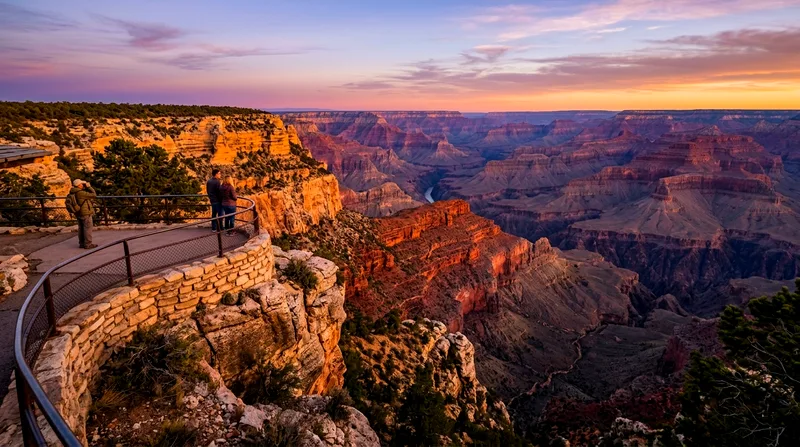
Explore the Grand Canyon sunset jeep tour through Kaibab Forest. Compare costs, operators, photography tips, and whether it justifies the price.
9 min read · 15 Oct 2026
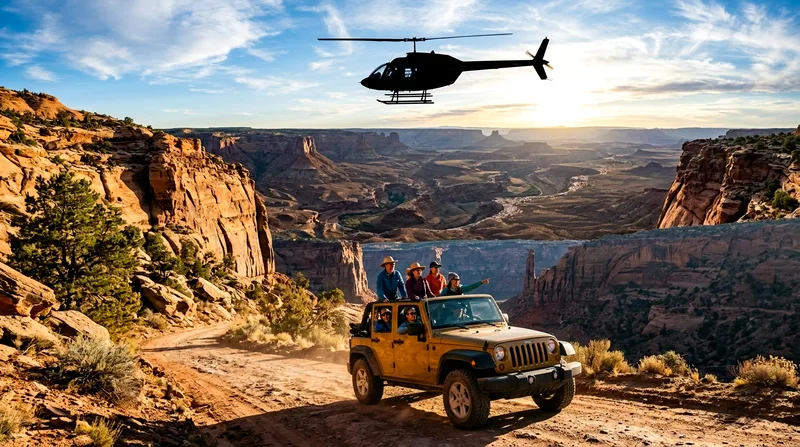
Compare Grand Canyon jeep and helicopter tours on cost, views, time, and thrill. Find which adventure suits your budget and preferences.
10 min read · 15 Oct 2026
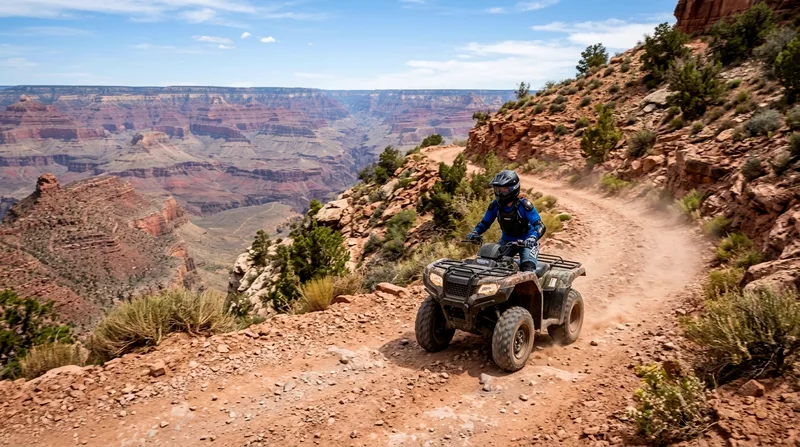
Compare Grand Canyon ATV tour options, routes, age rules, and booking tips. Find the right off-road ride near the canyon before you book.
9 min read · 15 Oct 2026
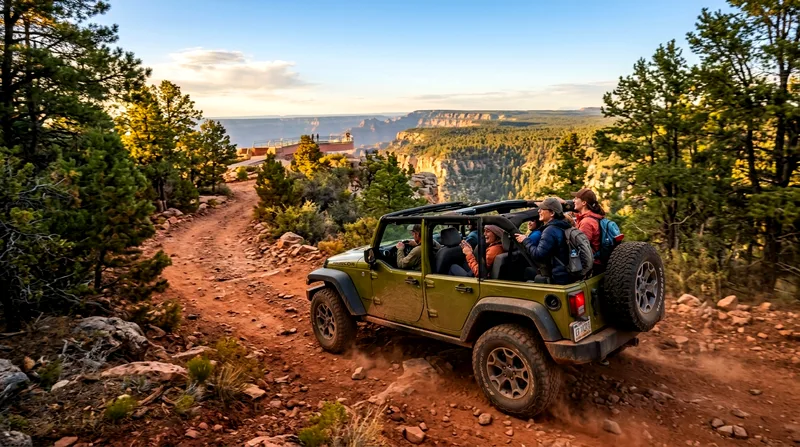
Compare Grand Canyon South Rim jeep tours by route, duration, and price range. Daytime, sunset, and off-road options explained before you book.
8 min read · 15 Oct 2026