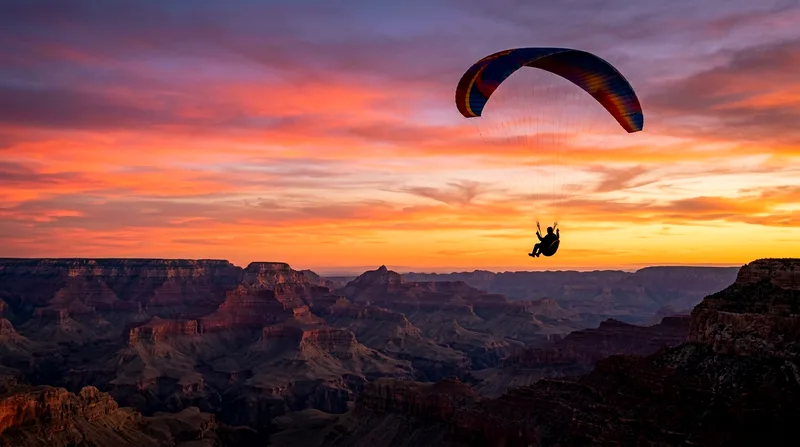
Paragliding Near Grand Canyon: Tours & Skydiving Guide
Compare paragliding near Grand Canyon tours, tandem flights, and skydiving options. Learn no-fly rules, safety checks, and when to book.
9 min read · 15 Oct 2026
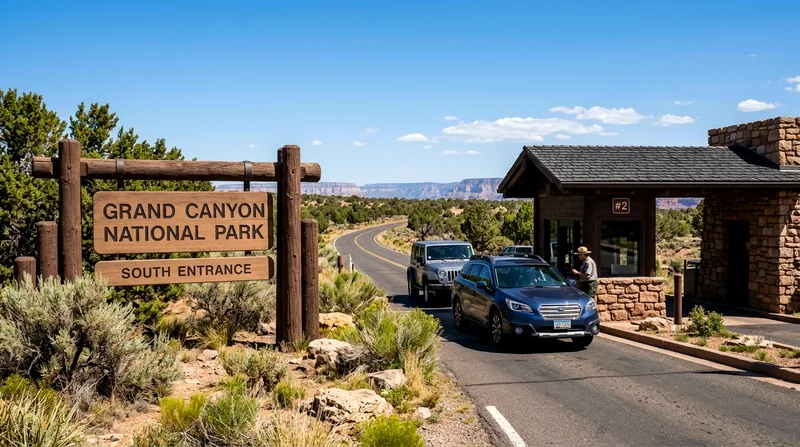
Tickets & passes
Compare Grand Canyon tours and tickets, passes, and rim options. South Rim, North Rim, West Rim—find the right ticket and book it the right way.
Grand Canyon tours and tickets fall into two unrelated systems, and mixing them up wastes money. The South Rim and North Rim both sit inside Grand Canyon National Park, run by the National Park Service, and require a park entrance pass. The West Rim — home to the Skywalk — is on Hualapai Tribal land, charges its own admission fees, and has nothing to do with the NPS pass at all.
A standard NPS entrance pass covers one private vehicle and everyone in it for seven consecutive days, at both the South Rim and North Rim, since they're the same park. It does not cover mule rides, rafting permits, ranger-led specialty programs, or camping — those cost extra and often need separate reservations months ahead. The America the Beautiful annual pass, around $80 as widely published, covers entry to every federal recreation site for a year, including Zion National Park and Bryce Canyon National Park, which makes it worth it if you're stacking three or more parks on one Southwest road trip.
The single-park seven-day pass is priced per vehicle, not per person, so it's the better deal for couples or families arriving together. Motorcyclists and pedestrians/cyclists pay a lower per-person rate. If you're flying solo and arriving by shuttle from Flagstaff or Williams without a car, check the walk-in rate rather than assuming the vehicle price applies. Seniors (62+, US citizens or permanent residents) can buy a lifetime pass for a one-time low fee, which is one of the better-value passes in the entire US park system if you visit parks regularly.
Entrance fees get you into the park and onto the free shuttle system at the South Rim — that's it. Anything branded as a "tour" — jeep rides, river trips, helicopter flights, mule descents into the canyon — is sold separately by commercial operators or concessioners, on top of the entrance fee if it operates inside the park boundary. I'd flag mule rides specifically: they book out six to twelve months ahead for peak season, and showing up expecting a same-day slot is close to pointless.
Treat the three rims as three different destinations with three different ticketing logics, because that's functionally what they are.
The South Rim, North Rim, and West Rim require separate tickets and suit different trip styles.
Grand Canyon tours and tickets by rim: access, pass type, and best use
| Rim/Area | Pass or Ticket | Distance from Major Hub | Open Season | Best For |
|---|---|---|---|---|
| South Rim | NPS 7-day park pass | Approx. 80 min from Flagstaff | Year-round | First-time visitors, hikers, families |
| North Rim | Same NPS park pass | Approx. 4.5 hr drive from South Rim | Mid-May to mid-October (dates vary) | Solitude seekers, repeat visitors |
| West Rim | Separate tribal admission + Skywalk ticket | Approx. 2.5 hr from Las Vegas | Year-round | Day-trippers from Las Vegas, limited-mobility visitors |
| Multi-park loop (Zion, Bryce, Grand Canyon) | Individual park passes or America the Beautiful annual pass | Varies by route | Year-round, weather dependent | Road-trippers without time pressure |
Seasonal closures and fees change; confirm exact dates and current prices on nps.gov or the Hualapai Tribe's official tourism site before booking.
Grand Canyon South Rim is the default choice — open year-round, holding Grand Canyon Village, the main visitor center, and around 90% of park visitation. One NPS pass covers it fully. Grand Canyon North Rim sits on the same pass but is geographically isolated, roughly a 4.5-hour drive from the South Rim around the canyon, and typically closes to vehicle access from mid-October through mid-May due to snow — always confirm current seasonal closure dates on the NPS site before planning around it. Grand Canyon West Rim, about 2.5 hours from Las Vegas, is privately operated by the Hualapai Tribe and sells its own "Skywalk" and ground tour tickets bundled together; the NPS pass is not accepted there and doesn't need to be. West Rim is the only one of the three with no elevation gain requirement to see the canyon up close, which makes it the most accessible option for visitors with mobility limitations, at the cost of a less dramatic, narrower section of canyon than the South Rim's main overlooks.
Day-tour packages from Las Vegas or Flagstaff bundle transport, a guide, and sometimes a meal — convenient, but you're on someone else's schedule and often get only 60–90 minutes at the rim itself. Multi-day packages that combine the Grand Canyon with Zion National Park, Bryce Canyon, Antelope Canyon, and Monument Valley suit travelers without a rental car, particularly Europeans flying into Las Vegas who don't want to drive unfamiliar desert highways. The trade-off is pace: these loops can feel rushed, with a single night in each location. If you have a car and five or more days, self-driving and booking rim access separately almost always beats a bundled package on both cost and flexibility.
Self-guided works well at the South Rim because the free shuttle system, clear rim trail, and visitor center signage do most of the work for you. You lose that structure at the West Rim and on anything involving river access, where permits and safety logistics make a guide close to mandatory.
Free ranger-led programs run daily in-season at the South Rim — geology talks, condor viewing, sunset walks — and they're genuinely good, often better than paid alternatives for depth of information. They're first-come, first-served with no booking required, which is their one real limitation if you're planning a tight schedule. Commercial operators, bookable through platforms like GetYourGuide or researched via TripAdvisor reviews, handle everything requiring special permits: jeep access to private overlooks, rafting, and helicopter flights. I'd be cautious of any operator promising guaranteed close-up wildlife sightings or unusually cheap helicopter rates — if a price looks 30% below everything else you're comparing, check what's excluded (fuel surcharges, landing fees) before booking.
Helicopter tours depart from both the South Rim (Tusayan) and Las Vegas; the Las Vegas option usually flies over Lake Mead and the Hoover Dam en route to West Rim, landing on the canyon floor on some packages — something South Rim helicopter flights cannot legally do, since landing is restricted within national park boundaries. Jeep tours stick to the South Rim and nearby national forest, reaching overlooks without shuttle access. River trips range from calm half-day float trips to multi-day whitewater runs through the park, requiring a lottery-based permit or booking through a licensed outfitter well ahead. Bus tours are the budget option, best for anyone wanting a no-stress day without driving, though you'll trade flexibility for the lowest price point.
Book your NPS entrance pass directly at nps.gov/grca or recreation.gov — both are official, fee-free beyond the listed price, and the only sources that should be trusted for park entry. For the West Rim, book through the Hualapai Tribe's official tourism site rather than a third party reselling tickets at a markup.
Third-party platforms like GetYourGuide or Viator aggregate licensed tour operators and are legitimate for commercial tours — helicopters, jeeps, combo day trips from Las Vegas — but they do not sell the NPS park pass itself, because that's a government fee, not a product anyone can mark up. Cross-check any operator's reviews on TripAdvisor before paying, and avoid any site that isn't clearly either a .gov domain or a named, reviewable commercial operator.
Helicopter tours, mule rides, and South Rim lodging inside the park book out fastest — sometimes months ahead for summer weekends. Jeep tours and bus day-trips have more flexibility, often bookable a week or two out. Cancellation policies vary widely by operator: most commercial tours offer free cancellation 24–48 hours ahead, but weather-dependent helicopter flights may rebook rather than refund. Read the specific operator's policy before paying — don't assume it matches what you've seen elsewhere.
Value here depends entirely on what you're optimizing for — time, money, or experience density — and the honest answer differs sharply by traveler type.
A solo hiker with a car gets the best value of anyone: one park pass, free shuttles, free ranger programs, and no need to pay for a guided tour at all. Skip the helicopter unless it genuinely matters to you — at several hundred dollars for a short flight, it's the single most skippable expense for a budget-conscious solo traveler. Staying in Williams or Tusayan instead of inside the park saves meaningfully on lodging.
Families benefit from the per-vehicle pricing on the NPS pass — one fee covers everyone in the car. Groups splitting a jeep or bus tour often pay less per person than a family of four would on a helicopter flight. Luxury seekers wanting a helicopter landing on the canyon floor need the West Rim, not the South Rim, since the South Rim disallows landings — know that before booking a flight expecting to step onto the canyon floor at the main park.
There's the NPS 7-day entrance pass (covers South and North Rim), the America the Beautiful annual pass (covers all US federal parks including Zion and Bryce Canyon), and separate West Rim admission tickets sold by the Hualapai Tribe. Commercial tours — helicopter, jeep, river, bus — are booked separately from all of these.
The standard NPS per-vehicle 7-day pass is commonly published around $35, and the annual America the Beautiful pass around $80, but always confirm current pricing on nps.gov since fees are periodically adjusted. West Rim tickets are priced separately by the Hualapai Tribe and typically bundle admission with a shuttle and Skywalk access.
Yes — Las Vegas is the main departure point for West Rim day trips, including helicopter and bus combo tours, mostly because it's roughly a 2.5-hour drive compared to the 4+ hours to the South Rim. If you want the South Rim's full-depth views, it's a longer day trip from Vegas and often better as an overnight.
It depends entirely on the operator and tour type. Bus tours usually include transport, a guide, and rim stops; jeep tours add off-road access to specific overlooks; helicopter tours include flight time and sometimes a landing (West Rim only). Always check the listing for what's excluded — meals, gratuities, and park entrance fees are common add-ons.
Book helicopter tours and mule rides as early as possible — three to six months ahead for peak summer season isn't unusual. Jeep, bus, and most commercial day tours can often be booked one to two weeks out, though weekends and holidays fill faster. Compare current tour options and prices before you book to see real-time availability for your dates.
Compare paragliding near Grand Canyon tours, tandem flights, and skydiving options. Learn no-fly rules, safety checks, and when to book.
9 min read · 15 Oct 2026
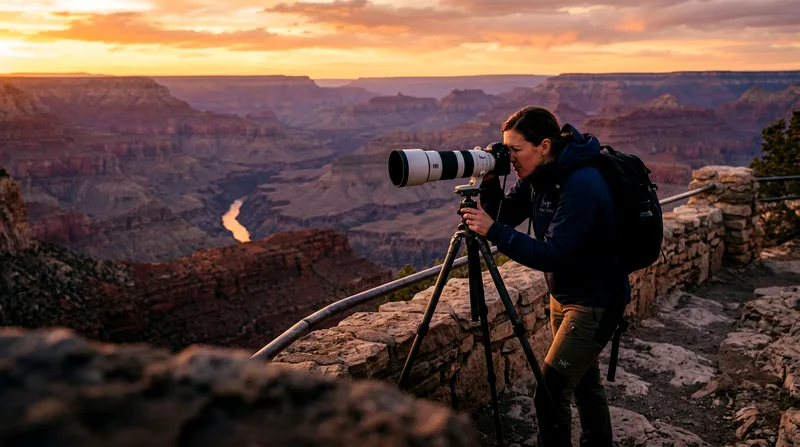
Compare Grand Canyon photography tour types, from rim workshops to river expeditions. Find the right fit for your skill level and booking tips.
9 min read · 15 Oct 2026
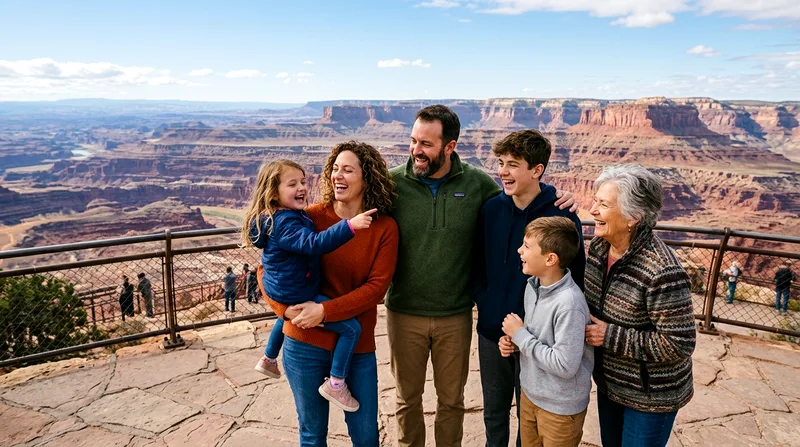
Find the best Grand Canyon tours for families. Compare Jeep, helicopter, hiking & river tours by age, duration, and comfort before you book.
9 min read · 15 Oct 2026
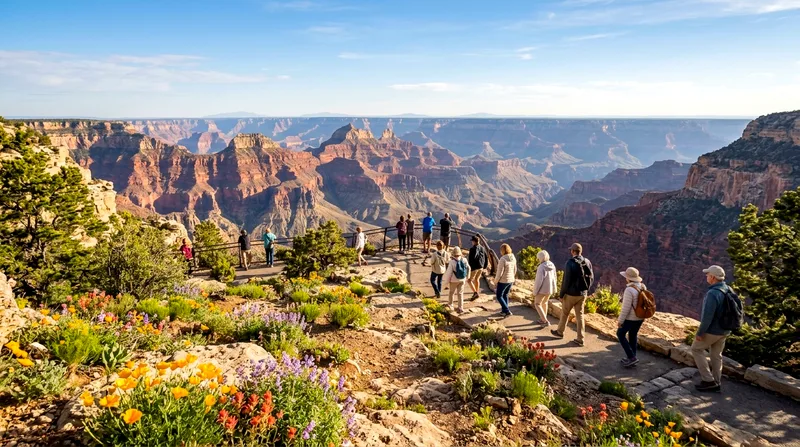
Discover the best time to visit the Grand Canyon. Compare weather, crowds, and tour availability month-by-month to plan your ideal trip.
8 min read · 15 Oct 2026
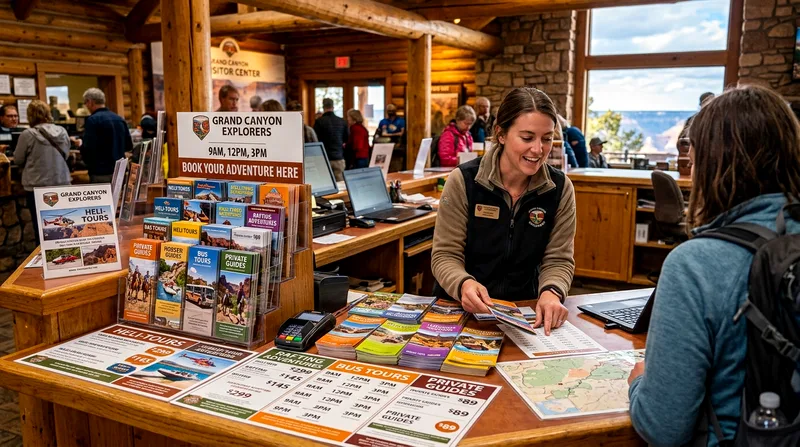
Learn how to save on Grand Canyon tours with timing strategies, combo passes, free ranger programs, and smart booking tactics that actually work.
9 min read · 15 Oct 2026
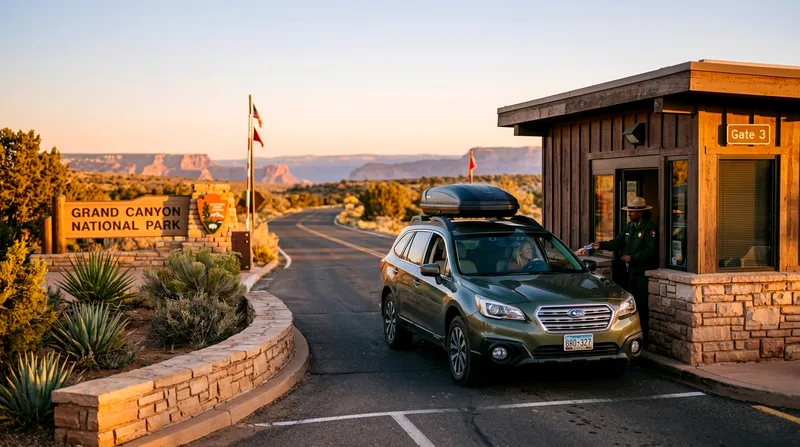
Compare Grand Canyon national park pass options: vehicle, individual, annual & military passes. Pricing guidance, where to buy, and which saves money.
9 min read · 15 Oct 2026