Compare Grand Canyon overland camping tours: jeep routes, backcountry camping, permits, and seasons. Plan a multi-day 4WD adventure with confidence.
Who Overland Camping Tours Suit Best
A Grand Canyon overland camping tour is a specific product, not a catch-all adventure vacation. You're signing up for several consecutive days in a 4WD vehicle on unpaved roads, sleeping in a tent or rooftop setup, and hiking in terrain where the nearest flush toilet might be two hours away. If that sounds appealing rather than exhausting, this is your category. If it sounds like a chore, book a South Rim day tour or a smooth-road scenic drive instead and save yourself the disappointment.
These trips suit people who already like camping and don't need convincing that dirt roads are part of the fun. They also suit groups — friends, adult family members, small clubs — who want a shared experience rather than a passive one. Solo travelers do fine on group departures, since overland tours tend to attract chatty, outdoors-minded people who end up cooking together at the fire. Couples who camp regularly will find this more rewarding than a hotel-and-helicopter package, mainly because you actually get access to places like the Kaibab National Forest backroads and quiet overlooks near the Vermillion Cliffs that rim-bound tourists never see.
I wouldn't recommend this category to anyone who gets carsick on washboard roads or who has a bad back that can't handle hours of jolting in a vehicle — that's a real and common complaint on these trips, not a minor inconvenience. Senior travelers can absolutely do overland tours, but should pick operators offering rooftop tents or raised cots rather than ground pads, and should ask directly about daily drive-time versus hike-time before committing.
Adventure Travelers with Off-Road Experience
If you've done any overlanding before — even a weekend in Moab or a trip through Utah's Valley of the Hancock-style dirt roads — you'll recognize the rhythm of these tours immediately: drive, scout, set camp, hike, repeat. People active in communities like Overland Bound or who follow Expedition Portal and Overland Expo tend to gravitate toward this category because it scratches the same itch as their own rigs, minus the vehicle maintenance. If you've never driven off pavement and get anxious on narrow shelf roads, a guided jeep tour with a professional driver is the safer entry point rather than a self-drive overland package.
Groups Seeking Immersive Multi-Day Experiences
Groups of four to eight get the best value and the best experience, because most vehicles and campsite permits are sized around that range. A group this size can split a private vehicle booking, share cooking duties, and still have room to spread out at camp. Bigger groups — ten-plus — often get split across two vehicles and two guides, which works fine but reduces the sense of an intimate expedition. If your group is large, ask upfront whether you'll be one convoy or two separate trips running in parallel.
Main Tour Categories & Formats
Overland camping tours at the Grand Canyon generally fall into a handful of recognizable formats, and the differences matter more than marketing copy suggests. Trip length typically runs two to seven days, with three- and four-day itineraries the most common sweet spot — long enough to reach genuinely remote terrain, short enough that most people can take the time off work.
Shorter two-day trips usually stick to accessible backcountry roads near the South Rim or routes toward Kanab, with one night of camping and a half-day of hiking. Longer trips, five to seven days, often combine canyon rim camping with side trips toward Monument Valley or the Vermillion Cliffs, turning the Grand Canyon into one leg of a broader Colorado Plateau loop. That's a real advantage over a single-park trip — you see geological variety most rim visitors never get near.
What's typically included: a 4WD or purpose-built overland vehicle, a guide/driver, group camping gear (tents, sometimes cots), meals from a camp kitchen, and permits for the backcountry or dispersed camping areas used. What's often NOT included: personal sleeping bags, hiking boots, alcohol, and — this catches people out — park entrance fees, which are separate from the tour cost and paid at the gate or purchased in advance.
Guided group jeep tours suit first-timers and budget travelers, while private multi-day expeditions suit groups wanting pace control and remote access.
Grand Canyon overland camping tour types compared
| Tour Type | Typical Duration | Group Size | Camping Style | Best For |
|---|---|---|---|---|
| Guided Group Jeep Tour | 2-4 days | 6-12 people | Shared tents, camp kitchen | First-time overlanders, solo/couples |
| Private Overland Package | 3-7 days | 2-6 people | Private tents or rooftop | Families, flexible-pace groups |
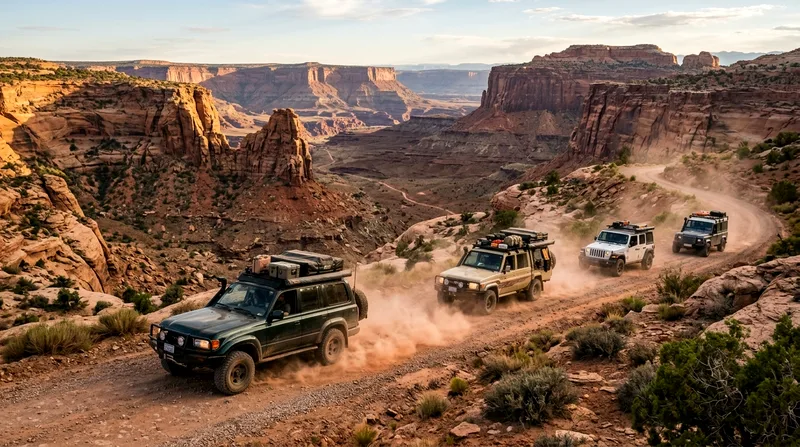
| Self-Drive 4WD Convoy | 3-5 days | Varies (own vehicle) | Self-supplied gear | Experienced off-roaders |
| North Rim Backcountry Trip | 2-4 days | 4-10 people | Dispersed camping | Hikers wanting fewer crowds |
| South Rim Multi-Stop Expedition | 4-7 days | 6-12 people | Mixed, often with side trips | World travelers combining parks |
Figures are typical ranges based on common itinerary formats; always confirm exact duration, group size and camping setup when booking.
Guided Jeep and 4WD Tours
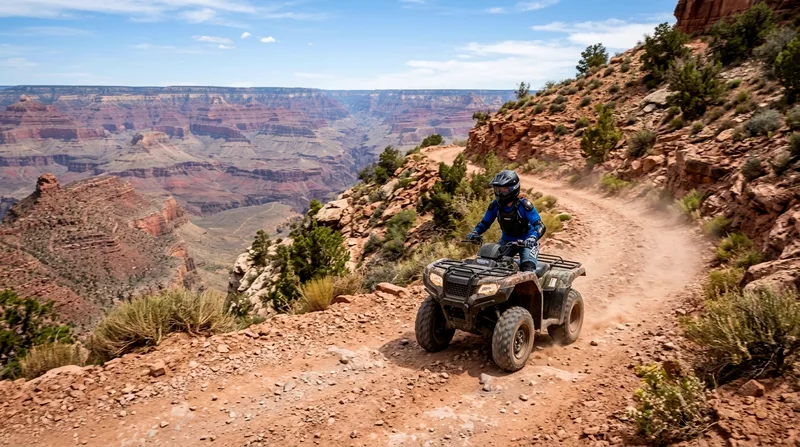
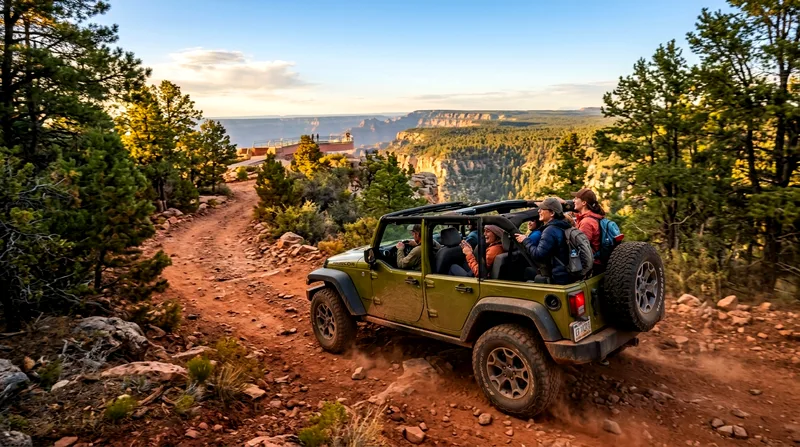
This is the most common format: a professional driver-guide runs a modified Jeep, Land Cruiser, or converted truck, and guests ride along rather than drive themselves. You don't need any off-road experience, a 4WD license doesn't exist to worry about, and the guide handles vehicle recovery if something gets stuck. The trade-off is less control — you go where the guide's planned route goes, at the guide's pace. For most first-time overland campers, this is the right choice. It's also generally the safer option on technical routes near canyon edges, where amateur driving mistakes have real consequences.
Group vs. Private Overland Packages
Group departures run on fixed dates with other travelers you don't know, usually six to twelve people split across two or three vehicles. They cost less per person and have a built-in social element, which solo travelers and couples often like. Private packages book the entire vehicle and guide for your party alone — better for families or groups with specific fitness levels or dietary needs, but noticeably more expensive per head since you're covering the full vehicle and guide cost yourselves. If budget is tight, a group departure is the better call; if flexibility and pace control matter more than price, go private.
What to Look for When Booking
Not every "overland" tour is equal, and the word gets used loosely. Some operators run genuine backcountry routes with dispersed camping; others run glorified van tours on maintained gravel roads with a tent pitched at a developed campground. Read the itinerary description literally — if it lists named forest service roads or specific backcountry zones, that's a good sign; if it's vague about where you'll actually be each night, ask directly before paying anything.
Inclusions, Group Size, and Cancellation Policies
Check exactly what's included in meals — some tours provide all meals camp-style, others only provide dinner and expect you to handle breakfast and lunch. Confirm group size caps, since a listing advertising "small group" can still mean twelve people if the operator doesn't specify a number. Cancellation policies on multi-day overland trips tend to be stricter than day tours — often non-refundable within two to four weeks of departure — because the operator has booked permits and provisioned food in advance. Weather cancellations (flash flood warnings, road closures after storms) are common enough in monsoon season that you should ask what happens to your payment if the trip is cut short.
Vehicle Type, Camping Style, and Fitness Requirements
Ask what vehicle you'll actually ride in — a stock SUV handles different terrain than a lifted, winch-equipped rig, and that affects which roads are on the itinerary. Camping style varies from ground tents to rooftop tents to canvas safari-style setups with cots; rooftop and cot setups cost more but are considerably easier on older backs and bad knees. Fitness requirements are usually moderate: expect hikes of 3 to 8 miles on uneven terrain, sometimes at elevation near the North Rim's 8,000-foot forests, which can surprise people arriving straight from sea level. If you have a heart or respiratory condition, mention it when booking — some itineraries include sections with no vehicle access for hours, so a medical issue there is a serious problem.
Best Times to Book & Visit
Spring (April-May) and fall (September-October) are the best windows for a Grand Canyon overland camping tour. Daytime temperatures sit in a comfortable range, nights are cold but manageable with a decent sleeping bag, and you avoid both summer heat that regularly tops 100°F at lower elevations and winter snow that closes many North Rim roads entirely — the North Rim's facilities and most access roads close from around mid-October through mid-May, which eliminates that half of the canyon from winter itineraries altogether.
Summer trips are possible but demanding: afternoon monsoon storms from July through early September bring flash flood risk on dirt roads and in canyons, and operators will reroute or delay for safety. If you book a summer departure, build in schedule flexibility and don't plan a tight connecting flight right after.
Seasonal Considerations and Permit Availability
Backcountry and dispersed camping permits inside Grand Canyon National Park and on adjacent Kaibab National Forest land are limited and allocated by the National Park Service and Forest Service respectively — operators running legitimate backcountry routes hold these permits, which is exactly why their trips cost more than unpermitted "camping near the canyon" packages. Permit availability tightens considerably for the popular spring and fall weekends, sometimes months ahead, which is the main reason to book early rather than a scheduling preference. If an operator is vague about permits, that's a caution sign, not a technicality.
Advance Booking Windows and Group Discounts
For spring and fall departures, book three to six months out if you want a specific date or a private option. Last-minute availability does appear, mostly for group departures with a few open seats, so solo travelers or couples with flexible dates can sometimes find reasonable late openings. Group discounts are common once you're booking four or more spots together or buying out a full private vehicle — but always compare current prices and reviews directly with the operator before booking, since rates shift with season and fuel costs and vary more than headline marketing suggests.
Frequently asked questions
What is included in a Grand Canyon overland camping tour?
Most include the 4WD vehicle, a driver-guide, group camping gear such as tents and sometimes cots, camp meals (check whether that's all three or just dinner), and backcountry or dispersed camping permits. Personal items — sleeping bags, hiking boots, headlamps, alcohol — and park entrance fees are usually separate. Always check the specific inclusion list before paying a deposit.
Do I need a permit for Grand Canyon overland camping?
Yes, for backcountry camping inside the national park or dispersed camping on Kaibab National Forest land. Legitimate overland tour operators hold these permits as part of running the trip legally, which is one reason guided tours cost more than simply renting a 4WD and camping on your own without securing permits in advance.
What is the difference between North Rim and South Rim overland tours?
South Rim tours run year-round, have more developed access roads, and see more traffic. North Rim tours access quieter, higher-elevation terrain near Kaibab National Forest but only operate roughly mid-May through mid-October, since snow closes most roads outside that window. North Rim trips generally feel more remote; South Rim trips offer more schedule flexibility.
How much does a multi-day Grand Canyon jeep tour cost?
Group departures for a 3-4 day trip commonly fall in the low-to-mid hundreds of dollars per day per person, including meals and permits; private multi-day packages run considerably higher since you're covering the full vehicle and guide cost. Prices shift by season and operator, so compare current listings and reviews directly before booking rather than relying on a fixed figure.
What fitness level is required for overland camping tours?
Moderate. Expect daily hikes of 3 to 8 miles on uneven, sometimes steep terrain, plus hours of jolting vehicle travel on unpaved roads. You don't need technical climbing skills, but you should be comfortable walking several miles at elevation and sleeping on the ground or a camp cot for multiple nights.