Grand Canyon rafting tour price depends on trip length and season. See the real cost breakdown, where money goes, and how to book smarter.
Where Your Rafting Money Goes
A Grand Canyon rafting tour price looks steep until you see what's actually baked into it. This isn't a lake paddle with a rental raft — it's a logistically complex trip through a 277-mile stretch of the Colorado River, run under a permit system managed by the National Park Service, with gear, food, and safety infrastructure that has to function miles from any road. That infrastructure costs money, and it shows up in the quote whether you notice it or not.
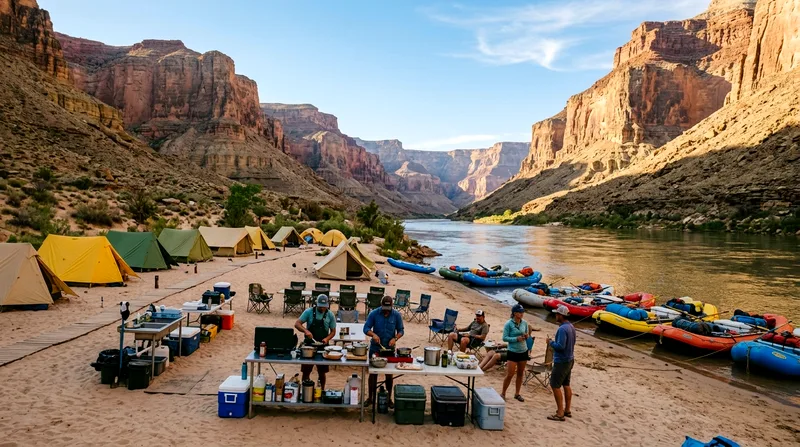
Here's my honest opinion: people comparing rafting prices against a rental car and camping trip are comparing apples to jet engines. The per-day cost of a multi-day rafting trip often lands between $350 and $550 per person per day, and on paper that sounds expensive next to a $40 campsite. But that number covers transportation to remote put-in and take-out points (some accessible only by small plane or long dirt road), trained guides, all meals, and gear that would cost you thousands to buy and learn to use solo.
Where I think operators sometimes lose people is transparency. A handful of outfitters quote a base price and then tack on sleeping bag rental, dry bag rental, or a "river permit fee" as line items you don't see until checkout. That's not dishonest, exactly, but it's not great practice either. When you're comparing quotes, ask directly whether the price is all-inclusive or à la carte — the gap between those two models can be $100–$300 per person.
Permit and Access Fees
Every commercial rafting trip through Grand Canyon operates under a National Park Service concession permit, and only a limited number of outfitters hold these. That scarcity is part of why prices don't fluctuate wildly between companies — there's no race-to-the-bottom discount market here the way there might be for, say, a Sedona jeep tour. Beyond the commercial permit, each trip pays river-use fees and Grand Canyon National Park entrance-related charges that get folded into your ticket price, typically in the $15–$30 per person range depending on trip length. You won't negotiate these away; they're structural.
Guide and Crew Costs
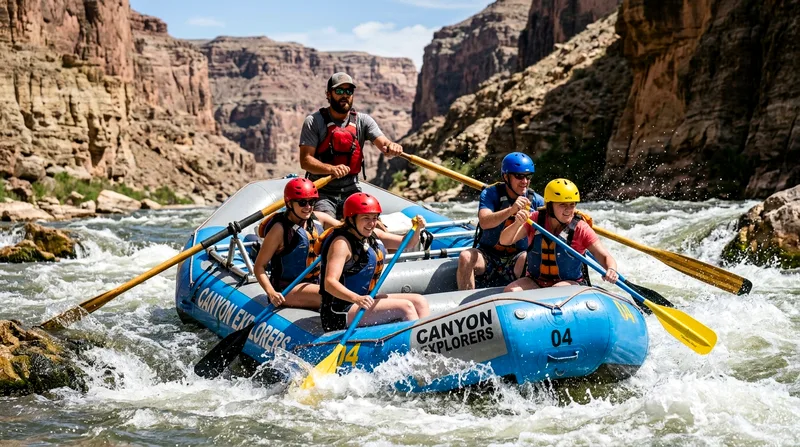
On multi-day trips, you're usually looking at one guide for every 4–6 guests, and these are not seasonal hires picked up for minimum wage — most have years of whitewater certification, wilderness first responder training, and in many cases a swift-water rescue credential. That expertise is priced into your trip, and it should be. A single guide manages navigation, camp setup, meal prep, and emergency response simultaneously, often for eight or more days straight. If you ever see a trip priced dramatically below competitors, ask about guide-to-guest ratios before assuming you found a deal.
Price Breakdown by Trip Length
Trip length is the single biggest lever on your final Grand Canyon rafting tour price, more than season, operator, or group size combined. Understanding the cost breakdown by duration helps you figure out what you're actually willing to pay for, rather than sticker-shocking at a number without context.
Trip length, not operator or season, is the main driver of Grand Canyon rafting tour price.
Grand Canyon rafting tour price by trip length and type
| Trip Type | Typical Duration | Price Range (per person) | Best For |
|---|---|---|---|
| Smooth-water float | Half-day | $100–$180 | Families, seniors, easy add-on |
| Whitewater day trip | Full day | $200–$350 | Day visitors, short itineraries |
| Partial canyon (motorized) | 3–5 days | $1,200–$2,000 | First-timers, time-limited travelers |
| Full canyon (motorized) | 8–10 days | $2,500–$3,500 | Sportsmen, maximum whitewater |
| Full canyon (oar/dory) | 12–16+ days | $3,000–$4,500+ | Couples, slow-travel enthusiasts |
Approximate ranges based on typical published rates; confirm current prices and inclusions directly with operators before booking.
Half-Day and Day Trips
Smooth-water half-day float trips, usually run near Glen Canyon or the lower stretches outside the main whitewater zone, typically run $100–$180 per person. These are a reasonable choice for families with younger kids, senior travelers who don't want technical rapids, or anyone squeezing rafting into a broader Grand Canyon itinerary that also includes a South Rim visit or a helicopter flight. Full-day whitewater trips step up to roughly $200–$350 per person, since they involve actual rapids, more guide oversight, and usually a packed lunch. If your time at the canyon is limited to a day or two, this is the realistic entry point — don't expect a true whitewater multi-day experience compressed into a few hours for day-trip money.
Multi-Day Expeditions
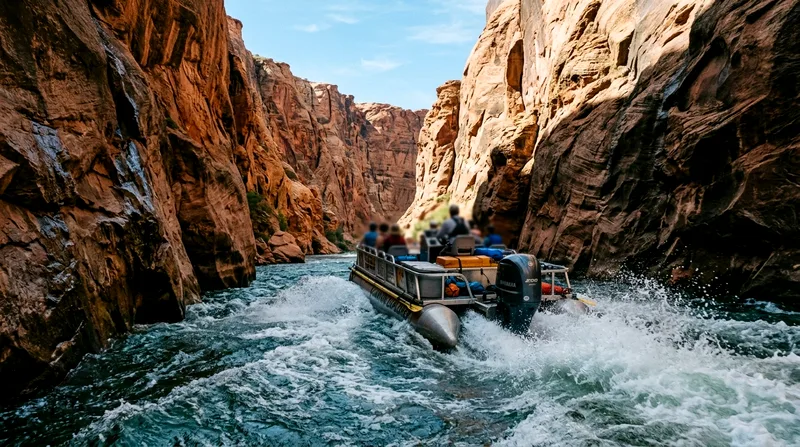
This is where the real Grand Canyon rafting experience lives, and where cost scales fast. A 3- to 5-day trip (often combined with a hike out or helicopter exit at a midpoint) tends to run $1,200–$2,000 per person. Full-length trips covering the entire 225-mile stretch, running 8 to 16+ days depending on motorized versus oar-powered rafts, land anywhere from $2,500 to $4,500-plus per person. Motorized trips are shorter and somewhat cheaper per day since they cover more river distance faster; oar-powered and dory trips take longer, cost more overall, and attract a different crowd — paddlers who want the slower, quieter version of the canyon. If you're deciding between the two, motorized trips suit sportsmen and families wanting maximum whitewater per dollar; oar trips suit couples and solo travelers who want immersion over speed.
Seasonal Pricing and Best Booking Times
Season affects both price and availability, though maybe not as dramatically as people expect — this isn't airline pricing with daily fluctuation. River season generally runs April through October, with most commercial trips concentrated May through September.
Peak Season vs. Shoulder Season
June through August is peak — warmest water, highest demand, and the trips that fill first. Prices don't necessarily spike the way hotel rates do near Zion or Bryce Canyon in summer, but availability tightens months in advance, which functions as its own cost pressure: you end up booking whatever's left, often at the higher end of an operator's range. May and September–October are shoulder season, with cooler mornings, thinner crowds, and sometimes marginally lower per-person rates on multi-day trips. I'd actually recommend shoulder season over peak for most adult travelers — the water's still swimmable in September, the campsites aren't as packed, and you're not fighting for the one shaded cooler spot at lunch stops.
Early-Bird and Last-Minute Strategies
Because of the permit system, popular multi-day trips often book out 6 to 12 months ahead, especially for July and August departures. Booking early doesn't usually get you a lower listed price, but it gets you the trip length and raft type you actually want instead of leftovers. The better savings angle is timing your booking window for shoulder season dates in the 3–5 month range out, when operators still have inventory and are more flexible on trip customization. Waiting until the last month rarely saves money here — unlike beach destinations, rafting operators don't discount to fill seats, because they won't run a trip under capacity. If anything, waiting costs you choice, not cash.
Legitimate Ways to Save on Rafting
There's no real discount-code culture in Grand Canyon rafting — permits cap how many trips run per season, so operators have little incentive to slash prices. That said, a few legitimate strategies actually work.
Combo Packages and Bundled Deals
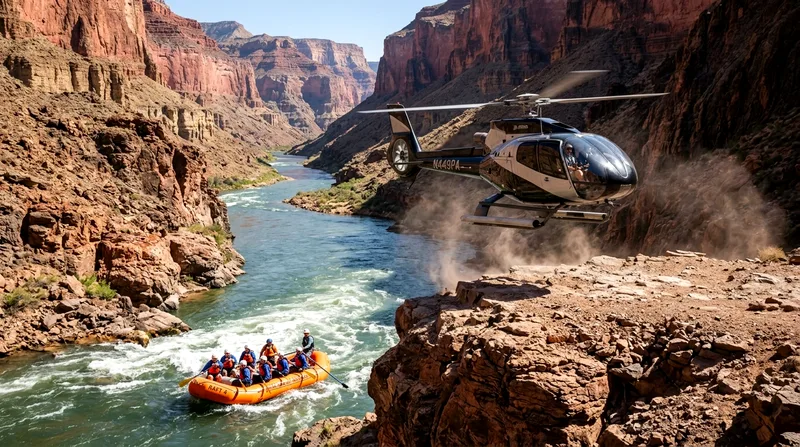
Some operators bundle rafting with a helicopter exit, a hike out via Bright Angel Trail, or lodging at the South Rim before or after the trip. These packages aren't cheaper than piecing it together yourself in every case, but they often save logistics headaches and sometimes shave 5–10% off compared to booking each piece separately, since the operator is filling a seat on a helicopter or shuttle it already runs. If you're also planning a South Rim visit or an Antelope Canyon side trip, ask whether the rafting outfitter has partner arrangements — it's worth one phone call to compare against booking everything independently.
Cancellation Spot Opportunities
This is the closest thing to a real deal in this market. Multi-day trips sometimes lose a guest to a cancellation weeks or even days before departure, and operators would rather fill that seat at a modest discount than run under capacity. Call outfitters directly 2–6 weeks before your travel window and ask about their waitlist — some knock 10–15% off a cancellation seat, though this isn't guaranteed or published anywhere. This approach demands flexibility on exact dates, which makes it realistic mainly for solo travelers or couples without rigid schedules, not families locked into school-holiday windows.
What's Not Worth Skimping On
I'll say this plainly: this is one trip where picking the absolute cheapest option available is a bad idea, and it's worth being direct about why.
Safety Equipment and Training
Life jackets, dry bags, and raft maintenance aren't optional upgrades — they're the baseline. If an outfitter's price seems unusually low, ask what's included versus rented separately, and ask about guide certifications. A reputable operator should be able to tell you, without hesitation, that guides carry wilderness first responder or wilderness EMT certification and that the rafts go through inspection before each season. This isn't the place to save $200 by choosing whoever quoted lowest without asking why.
Experienced Guides and Logistics
Logistics in the Grand Canyon are unforgiving — there's no quick exit from most stretches of river, and weather or water levels can change a day's plan fast. Guides with fewer seasons of experience aren't necessarily unsafe, but a crew that's run the same stretch for a decade handles the unexpected (a flipped raft, a sudden storm, an injured guest) with far less drama. I'd rather pay a few hundred dollars more for an operator with a long operating history than save money on one that's new to the permit system.
Booking Checklist for Best Value
Before you commit, run through a short list: Is the quoted price all-inclusive, covering meals, gear rental, and permit fees, or will extras get added at checkout? What's the guide-to-guest ratio, and what certifications do guides carry? Is this peak season (June–August) or shoulder season (May, September, October), and does that change availability more than price? Are there combo options with a helicopter exit or lodging that might save a step without inflating cost? And finally — have you asked directly about cancellation waitlists if your dates are flexible?
Compare this against other canyon-country options you might be weighing time and budget against. A Horseshoe Bend viewpoint stop or an Antelope Canyon tour costs a fraction of rafting and takes a few hours, not days — fine for a quick add-on, not a substitute experience. Zion's narrows hike or a Bryce Canyon rim trail might appeal more to someone who wants scenery without a multi-day river commitment. Rafting is a different category of trip: it's the one place in the region where the activity itself, not just the view, is the point. Compare current prices and trip-length options directly with outfitters before you book, since availability and exact rates shift by season and departure date.
Frequently asked questions
What is included in a Grand Canyon rafting tour price?
Most multi-day trip prices include guide services, all meals, camping gear (tents, sleeping pads), permits, and transportation to and from put-in/take-out points. Personal items like a sleeping bag, dry bag, or wetsuit are sometimes included and sometimes charged separately — always confirm this before booking, since it can shift the real cost by $100–$300 per person.
When is the cheapest time to book a Grand Canyon rafting trip?
Shoulder season departures (May or September–October) booked 3–5 months ahead tend to offer the best combination of availability and value. Peak summer (June–August) rarely gets cheaper even with early booking — it just sells out faster, leaving you with pricier leftover slots if you wait.
How can I find last-minute deals on Grand Canyon rafting?
Call operators directly 2–6 weeks before your travel dates and ask to join a cancellation waitlist. Some outfitters offer modest discounts, often 10–15%, to fill a seat that opened up last minute, though this requires flexible travel dates and isn't advertised publicly.
Do group sizes affect the cost per person?
Yes, somewhat. Private group bookings (reserving an entire raft or trip for your party) can lower the per-person rate compared to joining a mixed group, especially for parties of 8 or more, since operators price partly based on filling capacity. Solo travelers and couples usually pay standard per-seat rates on shared trips.
What hidden costs should I budget for beyond the tour price?
Budget for transportation to the put-in point if it's not included (sometimes a separate shuttle or small-plane flight fee), gear rental if not bundled, trip insurance, and gratuities for guides, which typically run 10–15% of the trip cost. Pre- or post-trip lodging near the South Rim or in Flagstaff is also usually separate.