Compare Grand Canyon multi day rafting trip options from 3 to 18 days. Motorized vs oar-powered, permits, inclusions, and booking timing explained.
Who Each Rafting Trip Type Suits
A Grand Canyon multi day rafting trip isn't one product — it's a spectrum running from a brisk 3-day motorized dash to an 18-day oar-powered traverse of the entire canyon. The right pick depends less on fitness than on how much time off work you can realistically take and how you feel about sleeping on a sandbar for a week or two. Lees Ferry, just below Glen Canyon Dam, is the universal starting point for nearly every commercial trip, and Grand Canyon National Park's river corridor is tightly managed, so the options you'll see advertised fall into fairly standard tiers rather than endless custom variations.
I'd steer most people away from assuming the shortest trip is the "safe" choice and the longest is only for hardcore paddlers. Duration mostly changes scenery and pacing, not danger level — the biggest rapids (Lava Falls, Crystal, Hance) show up on both short upper-canyon trips and the long full-length expeditions. What changes more is how deep into the canyon's quiet stretches you get, since the most remote, least-visited sections sit past river mile 100, reachable only on the longer trips or via a helicopter/hike exchange at Phantom Ranch.
First-Time Rafters and Families
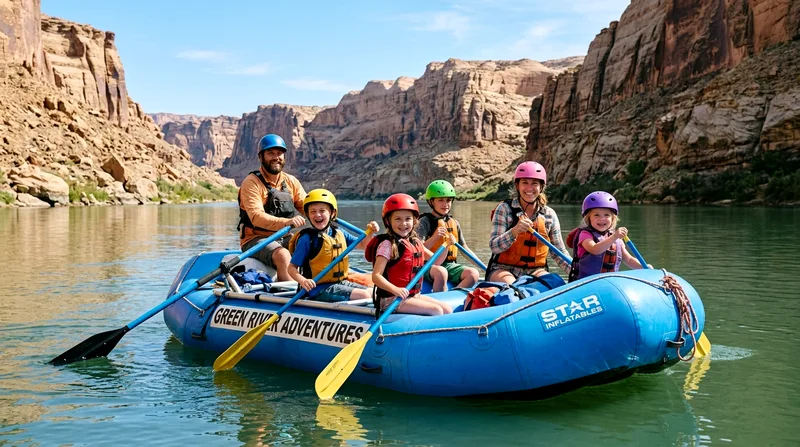
If this is your first rafting trip, or you're traveling with kids around 8-12 years old, lean toward motorized trips in the 6-8 day range, or a 3-5 day combination trip that exits partway through via helicopter near Whitmore Wash. Motorized rafts are larger, more stable, and faster, which matters when a child's attention span — or a nervous adult's nerves — starts to fray by day four. Families should also check minimum age requirements directly with the trip; many commercial outfitters set a floor around 8, sometimes higher for the biggest rapids in high-water years. Avoid booking a full 16-18 day oar trip as a "family bonding" experience unless everyone has camped rough before; it's a long time without showers, cell service, or an easy exit.
Adventure Seekers and Experienced Paddlers
If you've rafted before, kayaked class III-IV water, or just want the slowest, most complete version of the canyon, the oar-powered trips of 12-18 days are the ones worth the vacation days. You'll paddle or row-assist on some trips, camp in more exposed spots, and get far more hiking time at side canyons like Deer Creek and Havasu's lower reaches. Experienced paddlers sometimes bring their own kayak to "dory" alongside a support raft — ask specifically whether a trip allows this, since not all permits or outfitters accommodate it. The trade-off is obvious: more days off work, more sun exposure, and less predictable comfort if weather turns.
Motorized vs Oar-Powered Expeditions
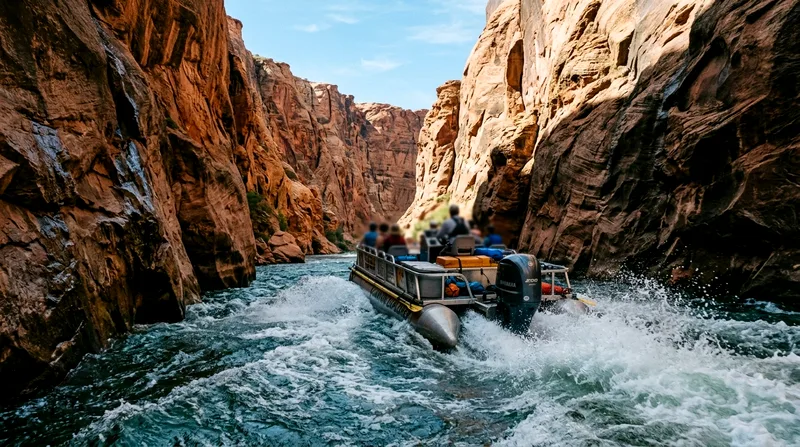
This is the single biggest decision after duration, and it's worth understanding before you start comparing itineraries. Motorized rafting uses large pontoon rafts, typically 28-37 feet, with an outboard motor steering through rapids rather than relying purely on current and oar strokes. Oar-powered trips use smaller rafts, around 16-18 feet, rowed by a guide, sometimes supplemented by paddle boats where guests actively paddle under a guide's call. Neither is objectively "better" — they produce genuinely different trips, and I'd be skeptical of anyone who tells you one is categorically superior.
Speed, Comfort, and Accessibility
Motorized rafts cover the same river distance in roughly half the time of oar trips — this is why 6-8 day motorized trips can complete the full 225-mile run from Lees Ferry to Lake Mead, a distance that takes oar-powered trips 16-18 days. The bigger rafts sit higher and more stably in rapids, which makes them noticeably better for older travelers, anyone with back or knee issues, or families with younger teens. The downside is noise and diesel fumes at times, less quiet drifting between rapids, and a sense of covering ground quickly rather than lingering. If your European vacation allowance tops out at two weeks including flights, motorized is often the only realistic way to see the full canyon in one trip.
Immersion, Physical Engagement, and Pace
Oar-powered trips move at the river's pace — slower, quieter, with more time to notice condors, bighorn sheep, and the geology changing layer by layer. Guests on paddle-boat sections get genuinely tired arms by day three; this is a real workout, not a photo-op paddle. The quiet is the main selling point: no motor hum, more wildlife sightings, and a stronger sense of isolation once you're past Phantom Ranch. The honest downside is exposure — more days means more sun, more wind events, and a higher chance that one day gets rained out or delayed at a rapid while the guide scouts the line. If you get seasick easily or dislike slow travel, this isn't your trip.
Trip Duration and Itinerary Options
Duration determines how much of the canyon you actually see and how the trip is structured around the Phantom Ranch exchange point near river mile 88, where hikers can enter or exit via the Bright Angel Trail.
Shorter trips are almost always motorized and cover the upper or lower canyon only, while full 225-mile runs require either a fast motorized week or a slow 16-18 day oar expedition.
Grand Canyon multi day rafting trip options compared by duration, raft type, and distance
| Trip Type | Duration (days) | Raft Type | River Distance | Best For |
|---|---|---|---|---|
| Upper canyon section | 3-5 | Motorized or oar | Lees Ferry to Phantom Ranch (~88 mi) | First-timers, time-limited travelers |
| Lower canyon section | 3-5 | Motorized | Phantom Ranch to Whitmore Wash | Combining with helicopter/Grand Canyon West |
| Full canyon, fast | 6-9 | Motorized | Lees Ferry to Lake Mead (~225 mi) | Families, seniors, full canyon on limited time |
| Full canyon, classic | 12-16 | Oar-powered | Lees Ferry to Lake Mead (~225 mi) | Experienced rafters, slower pace |
| Full canyon, extended | 16-18 | Oar-powered, some paddle | Lees Ferry to Lake Mead (~225 mi) | Adventure seekers, maximum side-hikes |
Exact mileage and exit points vary slightly by operator and water levels; confirm itinerary details before booking.
3 to 5 Day Trips
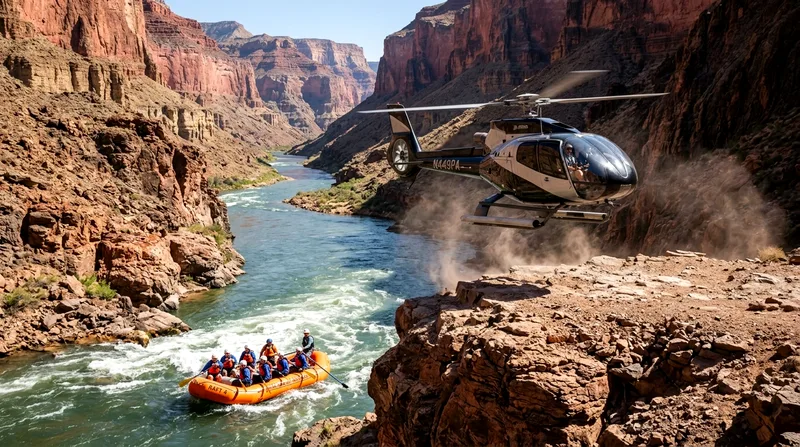
A Grand Canyon 3 day rafting trip typically covers the upper canyon from Lees Ferry to Phantom Ranch, then exits by mule or hike up Bright Angel Trail — or, on the lower-canyon version, starts at Phantom Ranch and runs motorized down to Whitmore Wash for a helicopter pickup to Grand Canyon West on Hualapai tribal land. These short trips hit major rapids including House Rock and Hance, and they suit travelers bolting rafting onto a broader Southwest itinerary that also includes Zion or Bryce Canyon. The catch: you'll likely hike roughly 9.5 miles and descend/ascend about 4,400 feet of elevation on the Bright Angel exchange, which is a serious undertaking in summer heat, not a stroll.
7 to 18 Day Expeditions
Grand Canyon week long rafting trips, usually 7-9 days, tend to be motorized full-canyon runs from Lees Ferry to Lake Mead's Pearce Ferry take-out, hitting essentially every named rapid including Lava Falls. The 12-18 day range is almost always oar-powered, moving at a relaxed pace with far more side-hike days built in — Matkatamiba Canyon, Elves Chasm, Havasu Creek. Longer doesn't mean more rapids; it means more layover days exploring tributaries on foot. If you only have one shot at this trip in your lifetime and don't mind the time commitment, the 16-18 day oar trip is the version people tend to talk about for decades afterward — but it eats most of a two-week vacation plus travel days on either end.
What to Look for When Booking
Once you've settled on duration and raft type, the actual outfitter comparison comes down to a handful of concrete questions, not marketing language. I won't name specific companies here — prices and availability shift, and you should compare current rafting trips and reviews directly on booking platforms before committing — but you can judge any listing against the same checklist.
Inclusions, Group Size, and Cancellation Policies
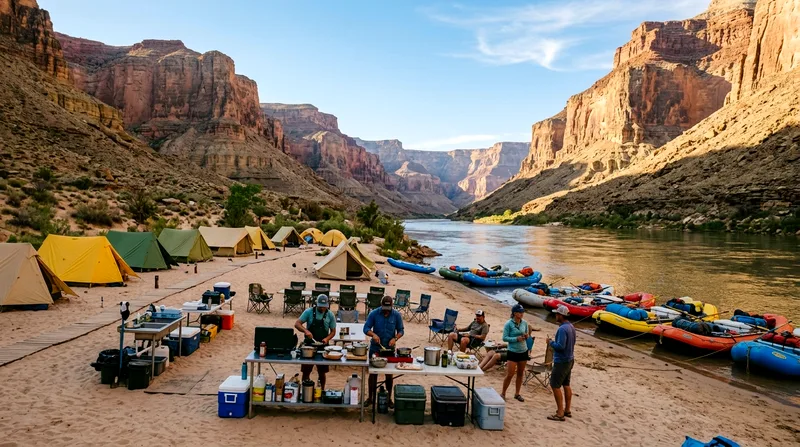
What's included in Grand Canyon rafting packages generally covers all meals on the river, tents, sleeping pads, dry bags, and transportation to and from Lees Ferry or the exit point — but camping gear like sleeping bags, river sandals, and wetsuits for cold-water splash zones are sometimes extra rentals. Group sizes range widely, from around 14-16 on a motorized raft to smaller oar-trip groups of 20-28 people split across several boats. Ask specifically about single-supplement costs if you're traveling solo, and read the cancellation policy closely — many require payment in full 60-90 days out, with limited refunds after that window given how far in advance permits lock in dates. Don't assume trip insurance is included; it almost never is, and given the remoteness, I'd consider it close to mandatory.
Guide Experience and Safety Record
Every commercial Grand Canyon rafting operation works under an NPS concession contract, which sets baseline safety and training standards, but guide tenure still varies a lot between companies. Ask how many seasons your lead guide has run the canyon — veteran guides with 10+ seasons read water levels and rapid lines with a margin for error that newer guides are still building. Swiftwater rescue certification and wilderness first responder training should be standard; it's fair to ask directly. Be wary of any operator vague about group-to-guide ratios — a loaded answer like "it depends" without a number is a reason to keep comparing.
Permits, Seasons, and Booking Timeline
Grand Canyon rafting permits are the real constraint on this entire industry, more than weather or raft type. The National Park Service issues a fixed number of launches per year from Lees Ferry, split between commercial outfitters and private noncommercial trips that go through a separate weighted lottery. Private rafters can wait years for a launch date through the lottery; commercial trips bypass that wait entirely because outfitters hold allocated launch slots, which is the main reason most visitors — especially international travelers with fixed vacation windows — book a commercial trip rather than attempt a private permit.
NPS Permit System and Commercial Operators
Commercial outfitters operate under long-term contracts with the NPS and Grand Canyon National Park, with set numbers of user-days allocated annually. This caps how many trips launch each week, which is why popular summer dates for both motorized and oar trips fill a year or more ahead. Trips that exit or enter at Grand Canyon West involve coordination with the Hualapai Tribe, since that stretch of the river and the helicopter landing sit on tribal land outside the national park boundary — a detail worth knowing if you assumed the entire trip stayed within NPS jurisdiction.
Best Seasons and Advance Booking Requirements
The rafting season runs roughly April through October, with peak demand in June and July despite canyon floor temperatures often exceeding 100°F (38°C) — bring sun protection more seriously than you think you need to. May and September tend to offer milder days and slightly cooler nights, and I'd personally favor those shoulder months if your schedule allows it. Water released from Glen Canyon Dam stays cold year-round, around 50°F (10°C), so swimming breaks are always brisk regardless of air temperature. Book 9-12 months ahead for peak summer dates on popular multi-day trips; shoulder-season dates sometimes open up with 4-6 months' notice, but don't count on it for August weekends.
Frequently asked questions
What is the difference between motorized and oar-powered rafts?
Motorized rafts are large pontoon boats (28-37 feet) with an outboard motor, covering the 225-mile canyon in about 6-9 days. Oar-powered rafts are smaller (16-18 feet), rowed by a guide at a slower pace, taking 12-18 days for the same distance with more hiking and quieter river time, but less stability in big rapids.
How long does a Grand Canyon multi-day rafting trip take?
Trips range from 3 to 18 days. Short 3-5 day trips cover either the upper or lower canyon with a hike or helicopter exchange at Phantom Ranch. Full-canyon trips from Lees Ferry to Lake Mead take 6-9 days motorized or 12-18 days oar-powered.
What permits are required for Grand Canyon rafting?
The NPS issues launch permits for Lees Ferry, split between commercial allocations and a private noncommercial lottery. Commercial outfitters hold their own launch slots, so booking through one avoids the multi-year wait private rafters face in the lottery system.
What is included in a multi-day rafting package?
Typically included: all river meals, tents, sleeping pads, dry bags, and transport to/from Lees Ferry or the exit point. Often extra: sleeping bags, river sandals, wetsuits, and trip insurance. Always confirm the specific inclusion list before paying a deposit.
When is the best time to book a Grand Canyon rafting trip?
Book 9-12 months ahead for peak June-July dates. Shoulder months (May, September) run cooler and sometimes have availability 4-6 months out. Check current prices and trip calendars directly, since popular dates sell out before pricing or discounts ever get publicized.