Discover the best time to visit the Grand Canyon. Compare weather, crowds, and tour availability month-by-month to plan your ideal trip.
Spring and Fall: The Sweet Spot
If you only remember one thing from this guide, make it this: the best time to visit the Grand Canyon is spring (March through May) or fall (September through November). Both seasons give you daytime highs in the 60s and 70s Fahrenheit at the South Rim, manageable hiking conditions below the rim, and visitor numbers well under the summer peak. Neither season is flawless — spring can bring sudden wind and occasional snow flurries into April, and fall nights get cold fast once October arrives — but the trade-offs are minor compared to what you avoid in summer.
I'd rank fall slightly ahead of spring for most travelers, mainly because the monsoon season (July through mid-September) has usually cleared out by late September, leaving crisper air and better long-distance visibility across the canyon. Spring wins if you want to see the inner canyon's desert wildflowers or you're combining your trip with a Zion or Bryce Canyon visit, since both parks are also at their best before the summer heat sets in.
Why March through May works
March starts cool — expect highs around 50-55°F at the South Rim with lingering overnight frost — but by mid-April you're looking at comfortable 65-70°F days. May is arguably the best single month of the year here: long daylight hours, low humidity, and trails that aren't yet baking. The catch is wind. Spring storms roll through the Colorado Plateau and can kick up dust and close exposed viewpoints temporarily. Pack layers; a 40-degree swing between sunrise and midafternoon is normal.
Why September through November works
September still carries some monsoon risk early in the month, but by late September the afternoon thunderstorms that build over the canyon in summer have mostly stopped. October is the standout — mild days, cool nights, golden light on the canyon walls, and the crowds from Labor Day have thinned noticeably. November turns colder and daylight shortens, which matters if you're planning a rim-to-river hike with limited light. Late September through mid-October is the window I'd book first if dates are flexible.
Month-by-Month Weather Breakdown
Grand Canyon weather by month varies more than first-time visitors expect, partly because the South Rim sits at roughly 7,000 feet elevation while the canyon floor near Phantom Ranch can be 20-25°F hotter and sits closer to 2,400 feet. That elevation gap is the single biggest planning factor people miss — a comfortable rim-top day can mean dangerous heat on the Bright Angel or South Kaibab trails.
Spring months and conditions
March averages highs near 50°F with nighttime lows below freezing; snow is possible, especially early in the month. April warms into the low-to-mid 60s. May pushes into the low 70s with minimal rain. Inner canyon temperatures run 15-20°F warmer than the rim throughout spring, so a hike that feels pleasant at Mather Point can feel like summer by the time you reach the river.
Summer extremes and challenges
June through August brings South Rim highs in the mid-80s, which sounds tolerable until you remember the canyon floor regularly exceeds 100-110°F. July and August add monsoon thunderstorms, usually in the afternoon, which bring lightning risk on exposed trails and the occasional flash flood warning in narrow side canyons. This is peak season for visitor numbers too, so you're combining the worst weather with the heaviest traffic.
Fall transitions and benefits
September holds onto summer warmth, with highs still in the upper 70s to low 80s, but humidity and storm frequency drop fast after mid-month. October settles into the mid-60s with cool, often crisp mornings. November can dip into the 40s and 50s by day, with the first real snow possible at higher elevations on the rim by late in the month.
Winter weather patterns
December through February keeps South Rim daytime highs in the 30s to low 40s, with regular snowfall and icy trail sections near the rim. The canyon's lower elevations stay far milder — often 20-30°F warmer than the rim — which is actually why winter can be a good time for shorter inner-canyon hikes, provided you've got microspikes for the icy upper switchbacks.
Crowd Levels and Peak Season
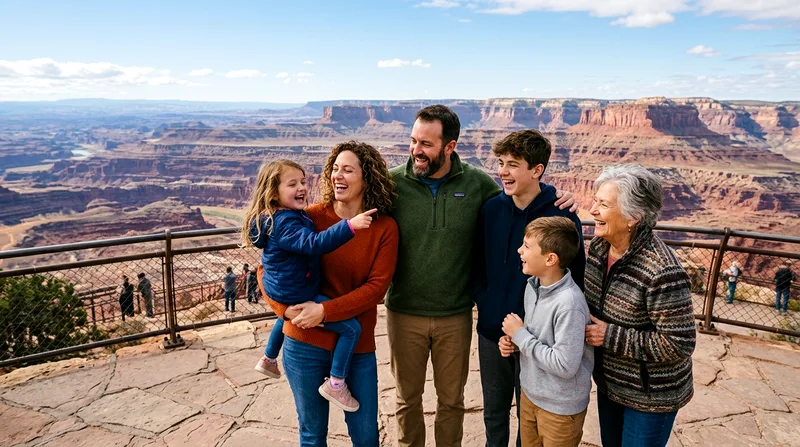
Grand Canyon peak season runs roughly from late May through early September, driven almost entirely by U.S. school summer vacation. Parking lots at the South Rim's main overlooks — Mather Point, Yavapai Point, Grand Canyon Village — fill by mid-morning in June and July, and the free shuttle buses run at near-capacity. If solitude at the rim matters to you, this is the stretch to avoid.
Spring and fall deliver the most comfortable weather with the fewest crowds, while summer brings peak heat and peak traffic together.
Best time to visit Grand Canyon by season: weather, crowds, and access compared
| Season | South Rim Highs (°F) | Crowd Level | North Rim Access | Best For |
|---|---|---|---|---|
| Spring (Mar-May) | 50-75 | Moderate, rising in May | Opens mid-May | Hiking, wildflowers, flexible dates |
| Summer (Jun-Aug) | 80-90 | Peak | Fully open | Families on school break, rim-only viewing |
| Fall (Sep-Nov) | 45-80 | Low to moderate | Closes mid-October | Photography, quiet trails, mild hiking |
| Winter (Dec-Feb) | 30-45 | Low | Closed | Snow photography, solitude, budget travel |
Figures are typical averages for the South Rim; actual conditions vary year to year, so check current forecasts before you travel.
Peak season timing and impact
Memorial Day through Labor Day sees the highest visitor counts of the year, with July typically the single busiest month. Expect to arrive before 8 a.m. to find parking near the Village, and expect lines at the main viewpoints during sunset, which is understandably the most popular time of day. Lodging inside the park books out months ahead for these dates, and even gateway towns like Tusayan and Williams fill up fast.
Shoulder season advantages
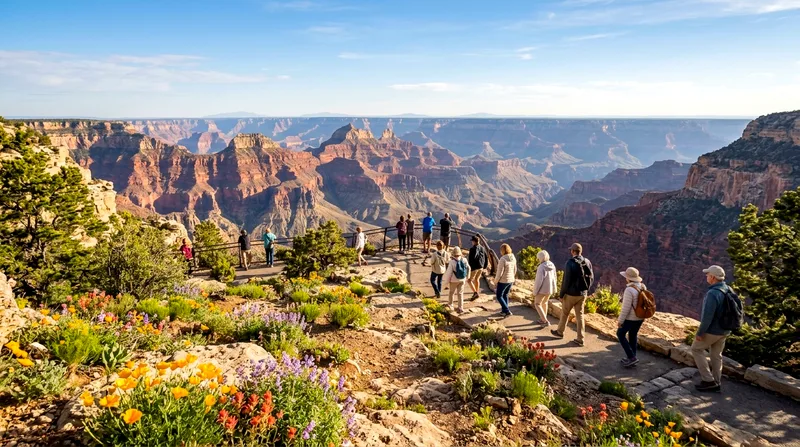
April, May, September, and October see noticeably thinner crowds while keeping daytime conditions comfortable. You'll still find some business — spring break crowds spike briefly in mid-March — but overall you get easier parking, shorter waits for shuttle buses, and a quieter experience at classic viewpoints like Hopi Point. Shoulder season is also when lodging rates inside the park and in nearby Williams or Flagstaff tend to be more reasonable, since demand is lower.
Tour Availability and Booking Tips
Whenever you decide to go, the South Rim stays open year-round, 24 hours a day — it's one of the only national park sections in the U.S. that never fully closes. The North Rim is a different story: it typically closes to vehicle access from mid-October through mid-May due to snow, so if you want both rims, plan for the warmer months.
Reservation windows by season
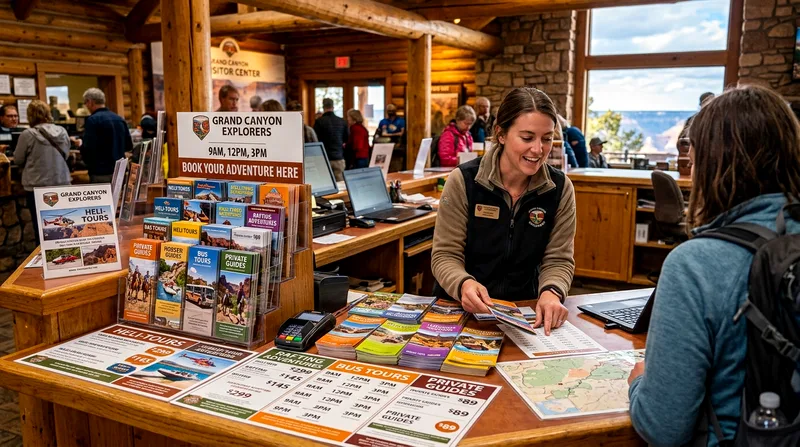
Helicopter tours from Las Vegas or Tusayan, mule rides, and rafting trips on the Colorado River all tend to book out 3-6 months ahead for summer dates, less so for shoulder season where you can sometimes book 2-4 weeks out. If you're set on a specific date in June or July, reserve as early as you can — popular helicopter and rim-to-rim shuttle slots go first. For spring or fall travel, you have more flexibility, though the first two weeks of October and all of Thanksgiving week still sell out quickly.
Guided tour scheduling
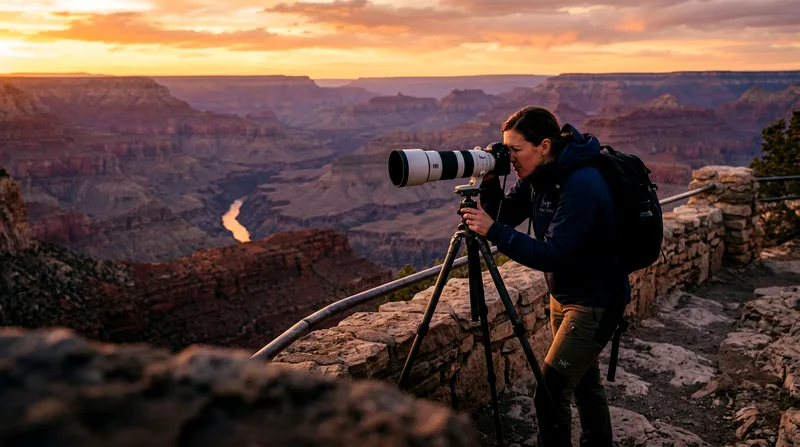
Sunrise and sunset photography tours, mule trips into the canyon, and small-group hiking tours run year-round but shift start times seasonally — sunrise departures are much earlier in June than in December. It's worth comparing current tour and ticket options for your exact travel dates before booking, since availability and start times adjust with daylight and season.
Winter and Summer Considerations
Winter and summer sit at opposite extremes, and both demand specific precautions rather than casual planning. Neither is "wrong" to visit — winter in particular appeals to photographers who want snow-dusted rim shots without the crowds — but you need to know what you're walking into.
Summer heat and hiking safety
Hiking below the rim between 10 a.m. and 4 p.m. in June, July, or August is genuinely dangerous — park rangers respond to heat-related rescues every summer, mostly from hikers who underestimated the return climb. If you hike in summer, start before sunrise, carry at least one liter of water per hour, and turn around well before you're halfway through your water supply. Frankly, I'd skip strenuous inner-canyon hikes entirely in July and August and stick to rim trails instead.
Winter snow and South Rim access
The South Rim stays open through winter, and roads are plowed, but you'll want traction devices for icy trail sections near Grand Canyon Village. Snow can close sections of the rim trail temporarily after storms. The upside: winter light is excellent for photos, hotel rates drop, and you can often get a rim-view room with just a few weeks' notice — something unthinkable in July.
Frequently asked questions
What is the best time to visit the Grand Canyon?
Late September through October, or April into early May, give you the best balance of mild temperatures, lower humidity, and thinner crowds. October edges out the others for clear skies and cooler nights, while May offers the longest daylight for hiking before summer heat sets in.
When should I visit to avoid crowds?
Visit in November, early March, or any weekday outside of U.S. school holidays. Avoid Memorial Day through Labor Day weekends, which bring the heaviest traffic, full parking lots, and the longest shuttle waits of the year at the South Rim.
What are the weather conditions by month?
South Rim highs run roughly 50°F in March, climb to 85-90°F by July, then drop back to the 60s in October and 30s-40s by December and January. The inner canyon runs 15-25°F warmer than the rim in every season, which matters more than rim-top forecasts suggest.
Does the Grand Canyon get snow?
Yes — the South Rim typically sees snow from December through February, with occasional flurries in March and November. The North Rim gets heavier snowfall and closes to vehicles from roughly mid-October through mid-May because of it.
Is late September or early October ideal for visiting?
It's one of the strongest windows of the year. Monsoon storms have usually passed by late September, daytime highs sit in the 70s, nights are cool but not cold, and crowds have thinned since the Labor Day peak — book lodging and tours 4-8 weeks ahead since this stretch is popular with repeat visitors.