Learn how to book a Havasu Falls tour via permit lottery or guided operators. Compare options, costs, and what's included in your trek.
What is a Havasu Falls tour?
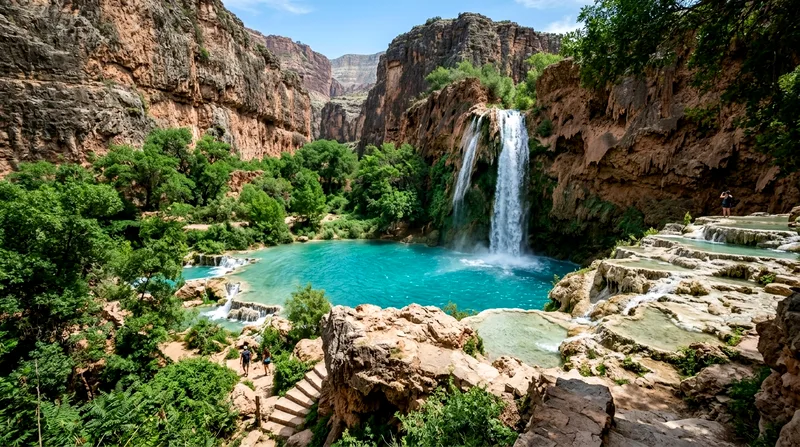
A Havasu Falls tour is a multi-day trek into Havasupai tribal land, a side canyon off the Grand Canyon system, to reach a set of blue-green waterfalls fed by travertine-rich springs. It's not a day trip from the South Rim — Havasupai land is a separate reservation with its own permit system, roughly a three-hour drive from Grand Canyon Village, and the falls sit at the bottom of an 8-mile trail from the parking lot at Hualapai Hilltop.
The term "tour" covers two very different paths: a self-guided trip where you book your own permit directly through the Havasupai Tourism Office, or a guided hike run by a licensed operator who handles permits, logistics, and sometimes gear transport. Either way, you're staying overnight — usually three nights — at the campground near Havasu Falls, not day-tripping in and out.
I'd steer you away from thinking of this as comparable to Antelope Canyon or Horseshoe Bend, where you show up, pay an entrance fee, and walk a short path. Havasu Falls demands real physical commitment and advance planning measured in months, sometimes over a year for peak season dates.
The trek and destination overview
The reservation includes Supai village — one of the most remote communities in the continental US, still served by mule mail — and a string of waterfalls: Havasu Falls, Mooney Falls, and Beaver Falls further downstream. Supai sits about 8 miles into the canyon and is where you check in before continuing roughly 2 miles to the campground. The Colorado River is actually accessible beyond Beaver Falls for very fit, experienced hikers willing to add another full day, though most visitors never go that far.
Mooney Falls is the standout for many visitors, dropping about 200 feet into a pool you reach via a narrow descent through two tunnels and a chain-and-ladder system bolted into the rock. It's genuinely intimidating if you don't like heights, and it's wet, slick travertine rock the whole way — wear shoes with real grip, not flip-flops.
Distance, duration, and difficulty
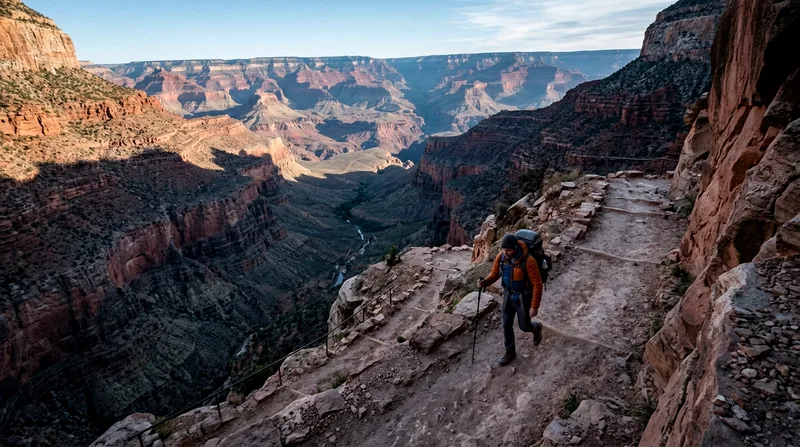
The standard hike from Hualapai Hilltop to the campground is about 10 miles one-way, with roughly 2,000 feet of elevation loss on the way in — meaning you gain all of that back on the way out, in heat, with a loaded pack. Most hikers take 5 to 8 hours going in and report the return climb as noticeably harder, especially the final 1.5 miles of switchbacks near the trailhead.
Compare this to Zion's Angels Landing (a few hours round trip) or a Bryce Canyon rim hike, and you'll see why Havasupai is a different category entirely. This is a backpacking trip, not a scenic walk. If you're not used to carrying 25-35 pounds over uneven terrain for multiple hours, train beforehand or seriously consider the horse/mule option for gear.
Permit lottery vs. guided tour options
This is the decision that matters most. You either secure your own permit directly from the Havasupai Tourism Office, which is cheaper but competitive and entirely self-managed, or you book through a guided operator who holds blocks of permits and bundles the logistics for a fee.
I lean toward recommending guided trips for first-timers, families, and anyone with a fixed vacation window — the permit lottery is unpredictable, and losing out after planning around a date is frustrating. But if you're a confident backpacker on a budget, doing it yourself saves real money and gives you full control over your itinerary once inside the canyon.
Self-booked permits cost less but demand more planning effort, while guided tours cost more and remove the lottery risk entirely.
Havasu Falls tour options compared: permits vs. guided treks
| Option | Cost level | Planning effort | Group handling | Best for |
|---|---|---|---|---|
| Self-booked permit | Lower | High (lottery timing) | You manage everything | Experienced backpackers, budget solo travelers |
| Guided operator (e.g. Wildland Trekking) | Higher | Low | Guide-led, gear often included | Families, first-timers, groups |
| Horse/mule pack add-on | Moderate add-on fee | Low | Gear or rider carried | Mixed-fitness groups, heavier packs |
| Day hike from camp to Mooney/Beaver Falls | Included in permit | Low | Self-paced | All visitors once camped |
Figures are general ranges; confirm current permit fees and operator pricing on official sites before booking.
Permit lottery system explained
Havasupai permits are released through the tribe's official reservation system, typically opening bookings around February for the following season, and demand far outstrips supply — popular weekends and holidays fill within minutes. Permits are tied to specific entry dates and require a non-refundable deposit per person at booking. The standard package is a three-night, four-day stay; shorter or longer stays aren't generally offered.
Do not use third-party resale sites claiming to sell Havasupai permits — they don't exist legitimately, and the tribe has repeatedly warned about scams. The only official channel is the Havasupai Tourism Office website. Confirm current pricing and exact release dates there, since both shift from season to season.
Guided tour operators and alternatives
A handful of licensed operators — Wildland Trekking is one of the better-known names — run guided Havasu Falls treks that include permits, a guide, group camping gear, and sometimes meals. Expect guided packages to run several times the cost of a self-booked permit, often in the range of $1,800-$2,600 per person depending on group size and inclusions, though you should verify current pricing directly with the operator before booking.
The trade-off is real: you pay more, but you skip the lottery stress, get a guide who knows the trail and swim spots, and usually get help with navigation and pacing for slower hikers. If something like Sedona's guided jeep tours appeal to you for the hand-holding factor, a guided Havasupai trek offers that same reassurance for a much tougher environment.
What's included and excluded
Whether self-booked or guided, your permit or package covers entry to the reservation and three nights at the campground near Havasu Falls. It does not include food, unless you've specifically booked a guided package that provides meals — most self-guided hikers carry in everything they eat for four days, or pay a mule/helicopter fee to have gear packed in separately.
Campground access and amenities
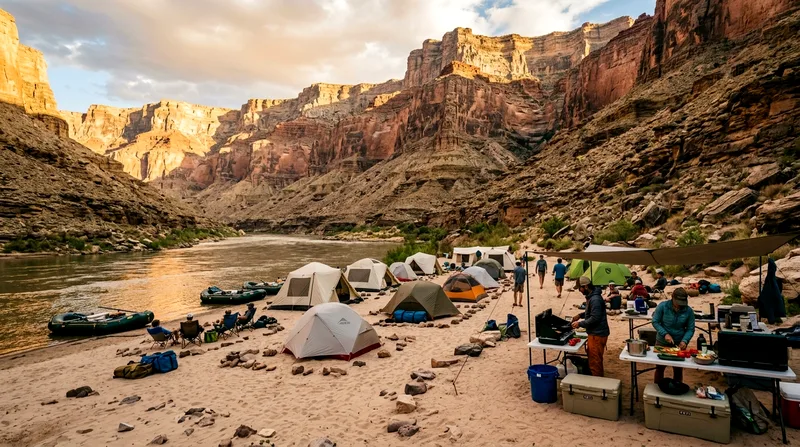
The campground stretches along Havasu Creek near the falls and has composting toilets and a few natural springs for water refills, but no showers, no food service, and no cell signal. Check-in happens in Supai village at the tourism office, where staff verify your permit and wristband before you continue to camp. Expect basic infrastructure — this isn't a developed campground like those at Zion or Grand Canyon's South Rim with paved sites and running water at every loop.
What you must bring yourself
Bring a water filter or purification tablets, all your food, a sturdy tent, and a headlamp — there's no lighting anywhere on the reservation after dark. A lightweight sleeping system works fine since nights are mild outside of winter, but summer days regularly exceed 100°F in the canyon, so sun protection and electrolytes matter as much as your tent. Pack out all trash; there's no waste collection beyond the composting toilets.
How to book your trip
Booking breaks into two clean paths, and mixing them up is the single most common mistake I see people make when planning this trip.
Official permit application process
Go directly to the Havasupai Tourism Office's official reservation portal — bookmark it, because it's the only legitimate source. Create an account, select your preferred entry date, and pay the required deposit immediately; popular dates vanish within the first hour of release. You'll need the full group's names and a credit card ready before you start, since hesitating costs you the slot. Confirm current fees and payment terms directly on the site before committing, as both have changed in past seasons.
Guided tour booking channels
Search for operators licensed specifically to run trips on Havasupai land — Wildland Trekking is a recognized option, and a short web search will surface a few others. Book several months ahead; operators hold limited permit blocks and sell out early for spring and fall dates, which have the most comfortable hiking temperatures. Always verify the operator is working with official tribal permits rather than a vague "access included" claim, and compare current prices and included gear across two or three operators before you book.
Is it worth it by traveler type?
Havasu Falls rewards planning and physical readiness more than any other stop near the Grand Canyon. It's worth comparing honestly against Yosemite's waterfalls or Zion's Emerald Pools, which require far less commitment — Havasupai asks for a full weekend minimum and real fitness.
Solo and budget travelers
If you're comfortable backpacking alone and watching the lottery site closely, self-booking saves significant money over a guided package. Solo hikers also have an easier time finding single open slots than groups trying to book four or five spots together. The trail is heavily trafficked enough in peak months that solo safety isn't a major concern, though I'd still tell a first-time backpacker to do at least one shorter overnight trip beforehand.
Families and group tours
Families with kids under 10 should think hard before attempting this — there's no shade for miles, no quick exit, and the heat is unforgiving. Horse or mule packing services exist through Supai-based operators to carry gear (and sometimes people) for a fee, which helps groups with mixed fitness levels, but availability isn't guaranteed and shouldn't be your only plan. For larger families or multi-generational groups, a guided operator managing logistics is usually the safer, less stressful route, even at a higher cost.
Frequently asked questions
How do I apply for a Havasu Falls permit?
Create an account on the official Havasupai Tourism Office reservation site and book during the seasonal release window, typically opening around February for the year ahead. You'll select a specific entry date for a three-night stay and pay a deposit immediately — popular dates fill within an hour, so have your group's details and payment ready before the window opens.
What's the difference between permits and guided tours?
A self-booked permit is cheaper but puts all logistics on you — gear, food, lottery timing, and navigation. A guided tour bundles a permit (held by the operator), a guide, and often camping gear or meals for a higher price, trading cost for convenience and reduced planning stress.
How long is the hike to Havasu Falls?
It's about 10 miles one-way from the Hualapai Hilltop trailhead to the campground, with around 2,000 feet of elevation change. Most hikers take 5 to 8 hours going in; the return climb out is generally slower and more demanding, especially in summer heat.
Can you ride horses to Havasu Falls?
Yes — horse and mule services operated by Havasupai Tribe members can carry gear, and sometimes riders, between Hualapai Hilltop and the campground for an added fee. Availability varies and should be arranged in advance; it's not a guaranteed walk-up service, so confirm options through the Havasupai Tourism Office.
What does a guided tour package include?
Typical guided packages from operators like Wildland Trekking include the permit, a trained guide, group camping gear, and sometimes meals for the three-night stay. Exact inclusions vary by operator, so compare itineraries and confirm what's provided — food, tents, transport to the trailhead — before paying a deposit.