Compare guided Grand Canyon backpacking tours by difficulty, route, and inclusions. Honest advice on permits, group size, and booking timing.
Who Backpacking Tours Suit Best
Grand Canyon backpacking tours are not a casual add-on to a national park road trip. They demand several consecutive days, a real fitness baseline, and tolerance for heat, dust, and sleeping on the ground. If that sounds unappealing, a mule ride to Phantom Ranch or a day hike to Cedar Ridge on the Bright Angel Trail will scratch the itch without the commitment.
The people who get the most out of these trips are hikers who already carry a pack regularly, understand pacing on long descents, and want the logistics handled so they can focus on the terrain. A guided trip removes the single biggest obstacle for most would-be backpackers here: the backcountry permit system, which is competitive and confusing for first-timers.
I'd push back on one common assumption — that backpacking tours are only for experienced wilderness travelers. Several outfits, including Wildland Trekking and the Grand Canyon Conservancy Field Institute, run itineraries built specifically for capable beginners with no backcountry experience, provided they're honest about their fitness level before booking.
Experienced Hikers Seeking Remote Routes
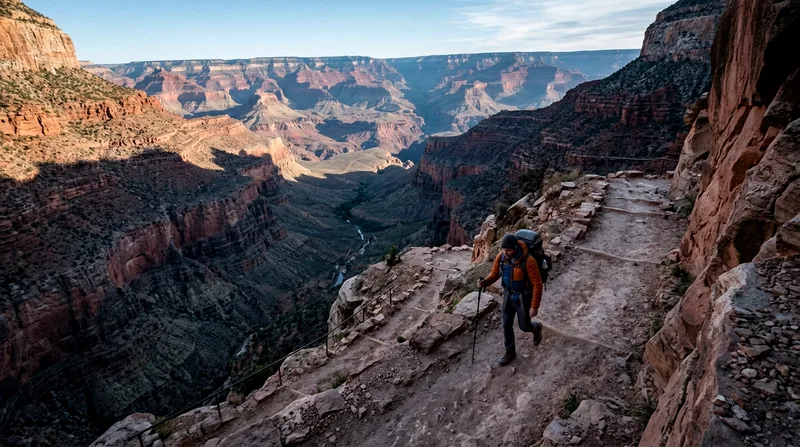
If you've already done multi-day trips in Zion's backcountry or tackled the John Muir Trail sections in Yosemite, Grand Canyon's inner trails will feel familiar in structure but harsher in climate. Routes like the Hermit Loop Trail or Grandview Trail attract this crowd because they see far fewer hikers than Bright Angel and require genuine route-finding skill in places. Guides on these routes tend to move faster and cover more technical terrain — loose scree, exposed traverses — and expect you to keep pace without constant instruction. Look for tours explicitly labeled "advanced" or "strenuous" in their itinerary descriptions; that's not marketing language, it's a real filter.
Solo Travelers Wanting Group Support
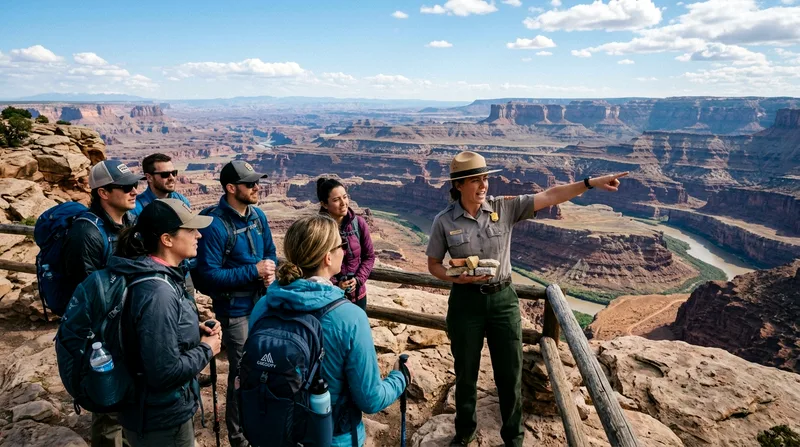
Solo backpackers face two problems in the Grand Canyon: permits for inner-canyon camping are allocated partly by group, and going alone into remote terrain with no cell signal is genuinely risky. A guided tour solves both. You join a small group — typically six to twelve people — with a licensed guide who handles navigation, water sourcing, and emergency protocol. It's also, frankly, a better way to meet people who share your pace and interest than hoping to find hiking partners at a campground. The trade-off is less flexibility: you hike the group's schedule, not your own.
Main Tour Categories Compared
Grand Canyon backpacking tours generally split into a handful of recognizable formats, and knowing which category you're looking at saves a lot of time scrolling through operator sites. Multi-day itineraries run anywhere from three to seven days, with four and five-day trips the most common sweet spot for balancing acclimatization with vacation time.
The biggest split is between point-to-point rim-to-rim tours and loop itineraries that return to the same trailhead. The second major split is difficulty tier, which operators usually label clearly but which you should cross-check against your own hiking history rather than trusting the label alone.
Rim-to-rim trips demand a one-way shuttle and more days, while loop routes trade scenic variety for simpler logistics and shorter commitments.
Grand Canyon backpacking tour categories compared by route, duration, and difficulty
| Tour Category | Typical Duration | Difficulty | Key Trails Used | Best For |
|---|---|---|---|---|
| Rim to Rim Tour | 4-5 days | Moderate-strenuous | Bright Angel, South Kaibab | First multi-day trip with support |
| Hermit Loop Trail | 3-4 days | Strenuous | Hermit, Dripping Springs | Experienced hikers, fewer crowds |
| Grandview Loop | 3-5 days | Advanced | Grandview, Horseshoe Mesa | Technical terrain, route-finding |
| Corridor Beginner Trip | 3 days | Beginner-moderate | Bright Angel, Cedar Ridge | First-time backpackers |
| Custom/Private Group | 4-7 days | Varies | Mixed, by request | Families of adults, small groups wanting flexibility |
Durations and difficulty vary by operator and season; confirm mileage and elevation change before booking.
Rim-to-Rim vs. Loop Itineraries
A Rim to Rim Tour starts on one rim — usually the South Rim — descends via Bright Angel or South Kaibab, camps near the Colorado River or at Phantom Ranch, then climbs out the North Rim. These trips typically run four to five days and require a shuttle back to your starting point, which most guided operators arrange as part of the package. The appeal is the dramatic elevation and ecosystem change, from desert scrub to ponderosa pine forest at the North Rim's higher elevation.
Loop itineraries, like those built around the Hermit Loop or Grandview-to-Horseshoe Mesa routes, stay on one rim and return you to your car, which simplifies logistics considerably. They suit hikers who don't want to deal with a one-way shuttle or who are short on vacation days. The compromise is less dramatic scenery variation — you don't get the North Rim's forest contrast — but you avoid an extra travel day.
Beginner-Friendly vs. Advanced Difficulty
Beginner-friendly tours usually stick to maintained corridor trails — Bright Angel, South Kaibab — with shorter daily mileage (around 5-7 miles) and camps at established sites with water access, like Indian Garden or Phantom Ranch. These trips often include more instruction on pacing, hydration, and foot care, which matters more here than on a comparable Bryce Canyon or Sedona trail because of the heat and the brutal uphill return.
Advanced trips push toward 8-12 miles a day on unmaintained or lightly maintained trails with no reliable water sources, demanding real backcountry navigation and more self-sufficiency in camp. Don't book an advanced-tier trip on the assumption that a guide will compensate for inadequate fitness — operators do turn away or reroute hikers mid-trip when it's clear they can't keep pace, and that's a bad way to spend a vacation day.
What to Look for When Booking
Not all "all-inclusive canyon backpacking tours" mean the same thing. Some cover everything down to a sleeping bag and trekking poles; others expect you to bring your own gear and only handle permits, guiding, and food. Read the inclusions list line by line before comparing prices across operators — a cheaper-looking trip that excludes gear rental can end up costing more once you've rented a pack, sleeping system, and water filter.
Inclusions: Meals, Gear, Permits
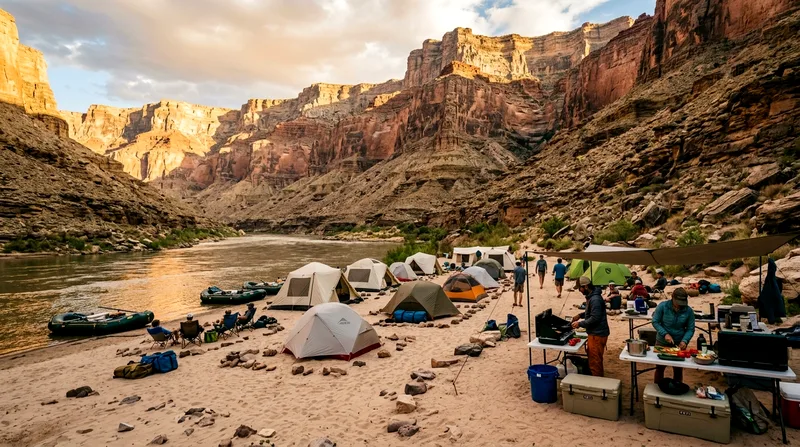
Backcountry permits are the single most valuable inclusion, since the park service caps the number issued and popular corridors fill fast. Beyond that, check whether meals are fully prepared trail food or just resupplied dry goods you cook yourself, and whether gear rental — tents, sleeping bags, water filtration — is bundled in or billed separately. Groups like the Grand Canyon Conservancy Field Institute tend to bundle educational content (geology, ecology talks) into their itineraries, which is a nice bonus if that interests you, but adds little value if you're purely there for the physical challenge.
Group Size and Guide Ratios
Most reputable operators cap groups around 10-14 hikers with one or two guides, giving a ratio of roughly one guide per six to eight people. Smaller ratios mean more individual attention on pacing and foot checks, which matters on descents exceeding 4,000 feet of elevation change. Larger groups are usually cheaper per person but move slower and feel more like a managed excursion than a backcountry trip — something to weigh if you came for solitude rather than company.
When and How to Book
Timing matters more for Grand Canyon backpacking tours than almost any other booking decision you'll make for this trip. Get this wrong and you're either hiking in dangerous heat or fighting a permit lottery with no slots left.
Seasonal Timing and Lead Times
Spring (March-May) and fall (September-November) are the main backpacking seasons — inner-canyon temperatures in summer regularly exceed 105°F (40°C) and most guided operators suspend or heavily modify trips between June and August for safety reasons. Winter trips exist but require cold-weather gear and ice-aware route planning on upper trail sections, which can see snow and ice even when the canyon floor stays mild. Book three to six months ahead for spring and fall departures; popular Rim to Rim Tour dates in April and October can fill even earlier, similar to how Antelope Canyon's photography slots sell out well in advance.
Permit Requirements and Availability
Backcountry permits for Grand Canyon National Park are issued by the park's Backcountry Information Center, and demand far outstrips supply for corridor campgrounds like Indian Garden and Bright Angel. Most guided tour operators hold their own permit allocations, which is the real value of booking with a company like Wildland Trekking or Four Season Guides rather than trying to self-permit — individual applicants often face a lottery system with low odds for peak-season dates. Confirm directly with the operator that your trip's permit is already secured before you pay a deposit; it should be standard, but it's worth asking plainly.
Key Questions Before You Go
Before handing over a deposit, ask the operator directly what their cancellation policy is for heat advisories — the park does occasionally restrict inner-canyon travel during extreme heat warnings, and you want to know whether you'll get a refund or a reschedule, not just a cancellation. Ask about water resupply points along your specific route; on routes like Hermit or Grandview, natural water sources can be unreliable depending on season, and guides sometimes cache water in advance.
Also ask about evacuation protocol. It sounds dramatic, but heat exhaustion and dehydration cases happen every season on these trails, and a guide service with a clear communication and evacuation plan (satellite communicator, established contact with park rangers) is worth more than a slightly lower price. Compare this against similar guided multi-day trips in Zion's backcountry or the Wave in Arizona — the quality gap between operators who treat safety seriously and those who don't is usually visible in how specifically they can answer these questions, not in their marketing copy. When you've narrowed it down, compare current Grand Canyon backpacking tour prices and availability directly with a couple of operators before booking, since seasonal demand shifts pricing noticeably between spring and fall departures.
Frequently asked questions
What are the best guided backpacking tours in Grand Canyon?
There's no single "best" — it depends on your fitness and goals. Wildland Trekking and Four Season Guides run a range from beginner corridor trips to advanced Hermit Loop and Grandview itineraries, while the Grand Canyon Conservancy Field Institute focuses on trips with a stronger educational component. Compare itineraries by trail, group size, and guide ratio rather than brand name alone.
How many days do Grand Canyon backpacking tours typically take?
Most run three to five days, with four days being the most common length for a Rim to Rim Tour. Loop itineraries on trails like Hermit or Grandview can run as short as three days or stretch to seven for operators offering slower-paced, exploratory routes.
Are meals and gear included in backpacking tours?
Usually yes for meals — most all-inclusive packages provide prepared trail meals and snacks. Gear varies more: some operators supply tents, sleeping bags, and packs, while others only provide permits, food, and guiding, leaving you to bring or rent your own equipment. Always check the inclusions list before comparing prices.
What difficulty levels are available for backpacking tours?
Operators typically offer beginner, moderate, and advanced/strenuous tiers. Beginner trips stick to maintained corridor trails like Bright Angel with shorter daily mileage; advanced trips use unmaintained routes like Grandview or Hermit Loop with 8-12 miles a day and little reliable water access.
How far in advance should I book a backpacking tour?
Book three to six months ahead for spring (March-May) or fall (September-November) departures, since backcountry permits are limited and popular dates sell out. Summer trips are rare due to extreme heat; winter trips need more gear planning but have more availability.