Plan a safe Grand Canyon rafting trip with kids. Age limits, motorized vs oar-powered trips, safety gear, and what children actually do onboard.
Age Requirements and Minimum Limits
Grand Canyon rafting with kids is genuinely doable — but age rules vary more than most parents expect, and they're not arbitrary. The National Park Service and the outfitters permitted to run the Colorado River through Grand Canyon National Park set minimum ages based on trip type, section of river, and whether the boat is motorized or oar-powered. Ignore these limits and you'll be turned away at the launch point, so check before you book rather than after.
Operators like Arizona Raft Adventures, Wilderness River Adventures, and Western River Expeditions publish minimum ages that typically range from 7 to 12 depending on the trip. Shorter, calmer, motorized trips tend to allow younger children. Longer oar-powered trips through bigger rapids usually push the minimum age higher, sometimes to 12 or even 16 for the most technical stretches.
Typical age minimums by trip type
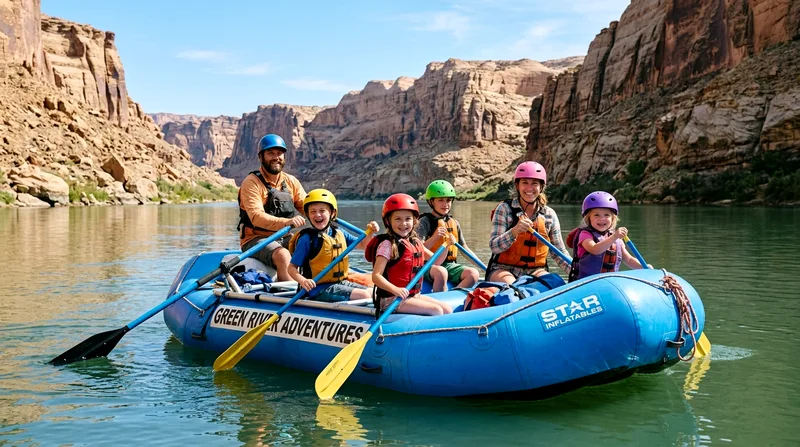
A half-day smooth-water float near Glen Canyon or Page, Arizona often allows kids as young as 4 or 5, since there are no rapids involved. Full-day motorized trips through sections of the main canyon commonly set the bar at 8. Multi-day oar-powered trips — the classic 6- to 16-day expeditions through the heart of the canyon — usually require kids to be at least 12, and some outfitters hold the line at 16 for their most remote itineraries. I'd treat any advertised "all ages welcome" claim with suspicion unless it specifically names a flatwater section; rapids like Lava Falls are not a place to test a six-year-old's nerve.
Physical fitness considerations
Age minimums matter less than actual readiness. A fit, confident 8-year-old who swims well will do better on a bouncy motorized trip than a nervous 11-year-old who's never been in open water. Multi-day trips also involve scrambling over rocks, hiking in heat that regularly tops 100°F (38°C) in summer, and sitting still for long stretches — not every kid's strength. Be honest with yourself about your child's stamina and willingness to be uncomfortable for a few hours at a stretch; that's a better filter than the calendar age alone.
Motorized vs. Oar-Powered Trips
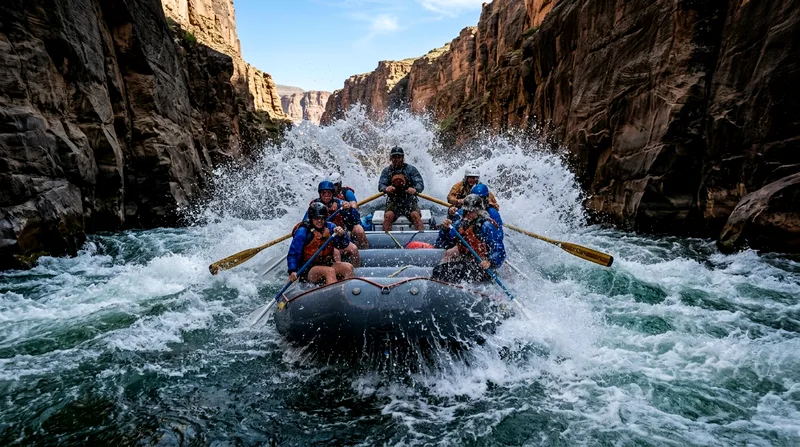
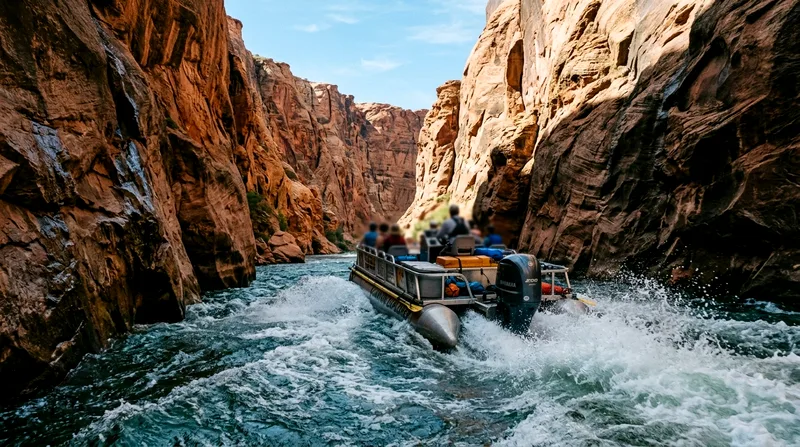
This is the single biggest decision for families, bigger than which company you book with. Motorized rafts use outboard engines and move through the canyon in one to three days for the full stretch, covering around 280 miles if running the entire Lees Ferry to Pearce Ferry route, though most family trips cover shorter sections. Oar-powered trips rely on guides rowing traditional rafts and move far slower, often taking 6 to 16 days to cover similar ground, with far more time spent camping on beaches and hiking side canyons.
Motorized trips suit younger children and shorter attention spans, while oar-powered multi-day trips reward older kids ready for a slower, more immersive expedition.
Grand Canyon rafting with kids: trip types compared by age, length, and intensity
| Trip Type | Typical Min. Age | Duration | Rapids Intensity | Best For |
|---|---|---|---|---|
| Smooth-water float (Glen Canyon/Page) | 4-5 | 2-4 hours | None | Young kids, grandparents |
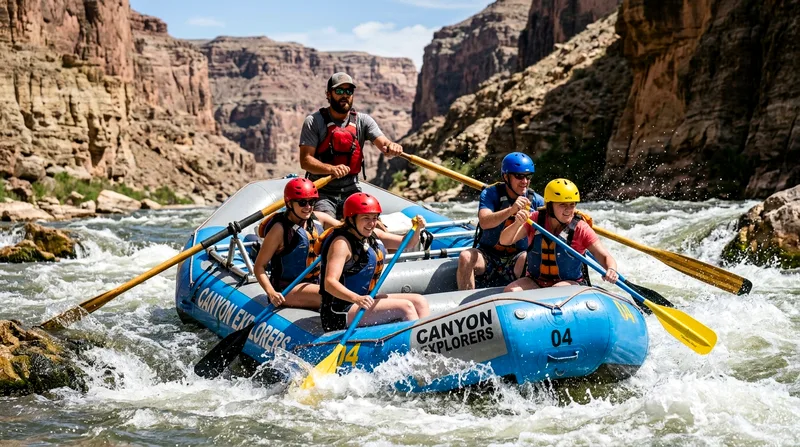
| Full-day motorized (Diamond Creek) | 8 | 7-9 hours | Moderate | Families wanting real whitewater, no camping |
| Multi-day motorized | 8-10 | 3-8 days | Moderate to strong | Families with school-age kids, limited vacation time |
| Multi-day oar-powered | 12 | 6-16 days | Strong, technical | Teens, experienced outdoor families |
| Hybrid (oar + motor combo) | 10-12 | 5-9 days | Mixed | Families wanting pace variety |
Age minimums and durations vary by outfitter and permit; always confirm current requirements when booking.
Speed and comfort differences
Motorized rafts are bigger, more stable, and louder — the engine drone is constant, which some kids find soothing and others find tiring after six hours. They cover more river in less time, which means less exposure to sun and heat per mile but also fewer stops. Oar boats are quieter, smaller, and slower, giving kids more chance to watch wildlife, ask questions, and fidget less from engine noise. The trade-off is real: oar trips feel more intimate but demand more patience from children used to constant stimulation.
Which option suits families best
For families with kids under 10, I'd lean toward motorized trips of one to three days. They're shorter, there's a bathroom setup on board, and the pace suits shorter attention spans. For families with teenagers who want a real expedition feel — camping under the stars, learning to read rapids, helping rig gear — an oar-powered multi-day trip through sections like the stretch below Phantom Ranch delivers a far richer experience. Grand Canyon Whitewater and similar permitted outfitters run both types, so the choice usually comes down to how many days you have and how your kids handle heat and boredom, not brand loyalty.
Safety Considerations for Children
Safety is the part parents worry about most, and it's also the part the outfitters have down to a routine. Every commercially permitted trip in Grand Canyon National Park runs under strict National Park Service oversight, with guides trained in swift-water rescue and wilderness first aid. That doesn't mean every trip is equally safe for every kid — it means the structure is solid, but your judgment about your own child still matters.
Equipment and life jacket requirements
Coast Guard-approved life jackets (PFDs) are mandatory at all times on the water, no exceptions, and outfitters provide child-sized vests that actually fit — don't assume an adult-sized spare will do in an emergency. Most trips also supply dry bags, splash jackets for cold spray, and sometimes helmets for bigger rapids on oar trips. Water temperatures from Glen Canyon Dam releases run cold, often in the 50s°F (around 10-13°C), even when air temperatures are over 100°F, so a wetsuit or splash top matters more than people expect, especially for smaller kids who chill faster.
Supervision and group dynamics
Guides manage the boat and the rapids, but they are not babysitters — parents are expected to supervise their own children at camp, around the fire, and near the river's edge, where currents can be stronger than they look even in calm-looking eddies. Group size matters too: a motorized trip might carry 15-25 passengers, which dilutes individual attention, while a smaller oar trip of 8-16 people tends to build more of a watchful, informal group dynamic where other adults keep an eye out as well. If your child wanders or ignores instructions, a bigger boat is riskier, not safer.
Trip Duration and Canyon Sections
Grand Canyon rafting with kids isn't one product — it's a spectrum from a two-hour float to a two-week wilderness expedition, and matching duration to your family's tolerance matters as much as safety gear does.
Half-day and full-day options
The gentlest option is a smooth-water float trip below Glen Canyon Dam near Page, Arizona, run without rapids and suitable for young kids and grandparents alike — this is often the best entry point for a first-timer family or for travelers combining it with a visit to Horseshoe Bend nearby. Within Grand Canyon National Park itself, full-day motorized trips run through sections like Diamond Creek, giving families a real whitewater experience without the multi-day camping commitment. These full-day trips typically run 7 to 9 hours, including a lunch stop on a beach.
Family-friendly river sections
The Hualapai Nation operates rafting trips through Grand Canyon West, including the Diamond Creek stretch, which is popular precisely because it's accessible by road and doesn't require a helicopter or multi-day hike to reach. This section mixes moderate rapids with calmer pools, making it a reasonable middle ground for families who want real whitewater without the full Lees Ferry-to-Phantom Ranch commitment. Compare that to Zion National Park or Antelope Canyon, where the main activities are hiking and slot-canyon walking rather than river travel — if your kids specifically want to be on the water, Grand Canyon's rafting sections offer something those parks simply don't.
What to Expect and Activities
Kids don't just sit in a raft for hours — the good trips build in enough variety that even restless ten-year-olds stay engaged. Expect stops for lunch on sandy beaches, short geology talks from guides, and plenty of time just watching the canyon walls change color as the sun moves.
Swimming and water activities
On calmer stretches, guides often let the group swim in quiet eddies — a genuine highlight for most kids, even with the cold water. Side streams like Havasu Creek (accessible on some itineraries) run warmer and turquoise-clear, closer to what kids picture when they imagine "canyon swimming." Always wait for the guide's go-ahead; currents near rapids are deceptively strong even where the water looks flat on top.
Hiking and exploration opportunities
Most trips include short hikes into side canyons to reach waterfalls, Native American petroglyph sites, or slot canyons a fraction of the scale of Antelope Canyon but with none of the crowds. These hikes typically run 20 minutes to 2 hours round trip, scrambling over rock in river sandals or hiking shoes. Bring water shoes with good grip — flip-flops are a bad idea here and guides will likely tell you so directly.
Frequently asked questions
What is the minimum age to go rafting in the Grand Canyon?
It depends on the trip. Calm, motorized float trips near Page or Glen Canyon often allow kids as young as 4 or 5. Full-day motorized trips through the park commonly set the bar at 8. Multi-day oar-powered expeditions through the main canyon usually require kids to be at least 12, sometimes 16 on the most remote itineraries.
Is motorized or oar-powered rafting better for kids?
For kids under 10, motorized trips are generally the better fit — shorter, louder but steadier, and done in one to three days. Oar-powered trips suit older kids and teens who can handle slower pacing, multi-day camping, and longer stretches of quiet, in exchange for a deeper wilderness experience.
What safety gear is provided for children?
Outfitters supply Coast Guard-approved, child-sized life jackets that must be worn at all times on the water, along with splash jackets or wetsuits for cold river spray and dry bags for personal items. Some oar trips through bigger rapids also provide helmets. Confirm child-sized gear availability when booking if your kid is especially small.
Can kids swim during a Grand Canyon rafting trip?
Yes, guides typically allow swimming in calm eddies and at side-stream stops like Havasu Creek, where water runs noticeably warmer than the main river. Swimming is guide-supervised and timed to avoid currents near rapids; kids should wear life jackets even in calm water due to cold temperatures and unpredictable eddies.
How long are family-friendly rafting trips?
Family trips range from 2-hour smooth-water floats to full-day motorized trips of 7-9 hours, up to multi-day motorized trips of 3-8 days or oar-powered expeditions of 6-16 days. Most first-time families with younger kids do best starting with a half-day or full-day option before committing to a multi-day trip.