Compare guided sunrise and sunset tours at Grand Canyon South Rim. Find the best viewpoints, booking tips, and what's included in each tour type.
Who Each Tour Type Suits Best
A Grand Canyon sunrise tour isn't a single product — it's a category that ranges from a seat on a 12-passenger van to a private guide who'll drive you to a quiet overlook near Desert View. The right choice depends less on budget and more on what you're actually trying to get out of the half-hour the light show lasts.
If you're staying inside the park at one of the Grand Canyon Lodges run by Xanterra, you may not need a tour at all — Mather Point is a 5-10 minute walk from the Visitor Center, and you can set an alarm and walk there yourself. Tours earn their cost when you're staying in Tusayan, Williams, or Flagstaff and don't want to drive unfamiliar, unlit park roads at 4:30 a.m., or when you don't have a car at all and arrived via Grand Canyon Railway from Williams.
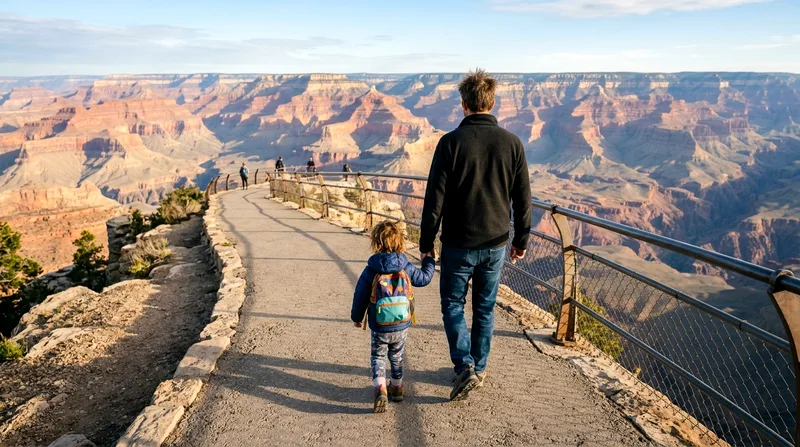
Families with young children should think hard about whether a 4 a.m. wake-up call is worth it. Kids under eight rarely remember the color of the sky; they remember being cranky. A sunset tour, timed to early evening, is almost always the better fit for families — same views, no 3 a.m. breakfast.
Photographers and visual enthusiasts
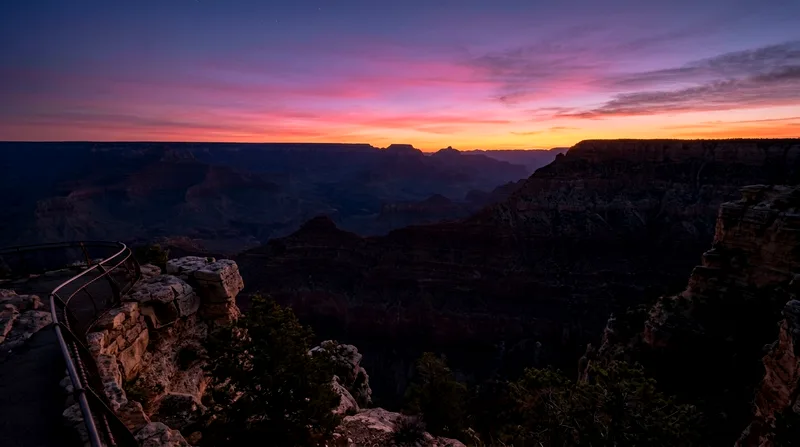
Serious photographers should look specifically for tours that mention Yaki Point or Desert View rather than generic "South Rim sunrise" tours, because many default routes stop at Mather Point simply because it's closest to the main parking area. Yaki Point sunrise at Grand Canyon requires a shuttle bus or private vehicle — private cars are barred from that road most of the year — so a tour with permitted access there is worth more than one that just drops you at the nearest lot. Bring a tripod; light levels thirty minutes before official sunrise are low enough that handheld shots will show motion blur on anything but the widest apertures.
Couples and romantic travelers
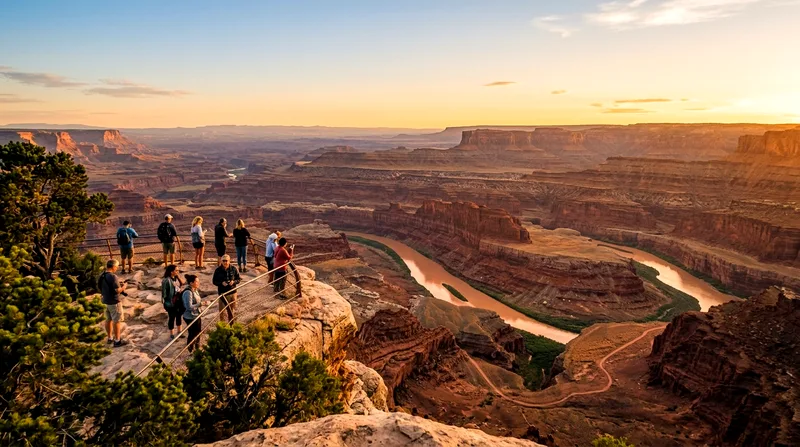
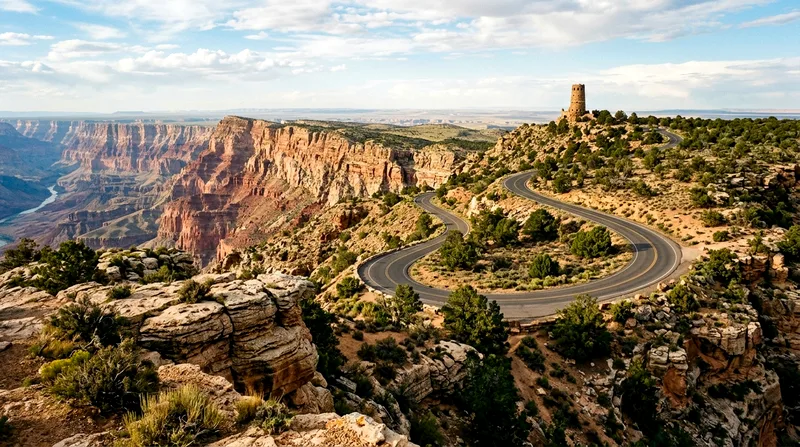
Couples chasing a quieter moment should avoid Mather Point on weekends between May and September — it's the easiest viewpoint to reach, so it's also the most crowded, sometimes uncomfortably so by rim standards. Desert View, about 25 miles east along Desert View Drive, draws a fraction of the crowd and pairs naturally with a stop at the historic Desert View Watchtower. A few small-group or private tours build in extra time there rather than rushing back for breakfast — worth paying a bit more for if two people on a quiet overlook matters more to you than ticking off the most famous viewpoint.
Sunrise vs. Sunset: Key Differences
A Grand Canyon sunset tour South Rim itinerary and a sunrise one cover similar ground but feel completely different to actually do. Sunrise tours typically run 2 to 4 hours door-to-door, including hotel pickup, drive time, the viewing window, and return — because pickup has to happen well before dawn, often 4:00-5:30 a.m. depending on season and hotel location. Sunset tours run longer, often 3 to 5 hours, because they're frequently combined with a drive along Hermits Rest Road or a stop for an early dinner, and nobody's rushing to get back to bed afterward.
Sunrise tours are shorter and quieter, while sunset tours run longer and draw bigger crowds at the popular rim overlooks.
Grand Canyon sunrise tour vs. sunset tour comparison by viewpoint, duration, and crowd level
| Viewpoint/Tour Type | Typical Duration | Crowd Level | Best For |
|---|---|---|---|
| Mather Point sunrise | 2-3 hours | High | First-timers, easy access |
| Yaki Point sunrise | 3-4 hours | Low-Moderate | Photographers, quieter views |
| Desert View sunrise | 4+ hours | Low | River views, couples |
| Hopi/Mohave Point sunset | 3-5 hours | High | Families, combined drive tours |
| Desert View sunset | 4-5 hours | Low-Moderate | Watchtower stop, romantic |
Durations include hotel pickup and return; actual viewing time at the rim is typically 20-40 minutes either way.
Tour duration and departure times
Departure times for sunrise tours shift by nearly two hours across the year. In June, sunrise at the South Rim happens around 5:15-5:30 a.m., meaning pickup from a Tusayan hotel might be as early as 4:00 a.m. In December, sunrise slides to around 7:25-7:40 a.m., which makes the whole experience far more tolerable — you can have a normal breakfast first. If you're traveling with the NPS park shuttle schedule in mind, note shuttles generally don't start running early enough for sunrise in summer, which is exactly the gap guided tours are built to fill.
Crowd levels and accessibility
Sunrise consistently draws a smaller crowd than sunset, simply because fewer people choose to get up for it. That makes sunrise the better pick if photography or quiet matters to you. Sunset at Hopi Point or Mohave Point, reached via the free shuttle on Hermits Rest Road, can get genuinely crowded in summer — expect to share rail space with fifty or more people at the popular pullouts. Accessibility-wise, Mather Point and Desert View both have paved, wheelchair-accessible paths right to the rim; Yaki Point's trail is shorter but unpaved in sections, which matters for travelers with mobility limitations or strollers.
Top Viewpoints by Season and Light
Ask which is the best sunrise point Grand Canyon has to offer and you'll get different answers depending on whether you're prioritizing ease of access, photographic depth, or crowd avoidance. There isn't one correct answer — there's a trade-off at every option.
Mather Point and Yaki Point
A Mather Point sunrise tour is the default for good reason: it's close to the Visitor Center, has a large paved overlook, and the view faces roughly east-southeast across a wide stretch of canyon, which works well for sunrise light. The downside is obvious the moment you arrive — it's the first stop for every tour bus and every independent visitor staying nearby, so expect company. Yaki Point sunrise at Grand Canyon trades that convenience for a quieter, arguably more dramatic angle looking toward the South Kaibab Trail corridor, but you can only get there by shuttle, authorized tour vehicle, or on foot — no private cars most of the year, which is precisely why a permitted tour has real value here.
Desert View and seasonal variations
Desert View sits furthest east, roughly a 45-minute drive from Grand Canyon Village, and gets noticeably fewer sunrise visitors simply because of the distance. The reward is a different composition entirely — the Colorado River comes into view here, something you don't get at Mather or Yaki. Seasonal light changes matter too: winter sunrises produce longer, warmer-toned light across the canyon walls because the sun sits lower for longer, while summer sunrises are quicker and harsher, moving from gray to bright within about 20 minutes. If you're an experienced photographer chasing the best light, winter and early spring sunrises are underrated compared to the more popular summer dates.
What to Look for When Booking
Not all guided sunrise tour Grand Canyon listings are equal, and the differences matter more than the marketing copy suggests. Read the itinerary line by line before paying anything.
Inclusions, group size, and cancellation
Most sunrise tours include hotel or designated pickup point transport, a guide or driver who gives some canyon geology and history commentary, and time at one or two viewpoints — rarely more, since the light window is short. Few include food beyond maybe a coffee or light snack; don't expect breakfast unless it's explicitly listed. Group size varies widely, from 6-passenger vans to 25-seat coaches — smaller groups cost more but mean less time spent loading and unloading, which matters when timing is everything. Always check the cancellation policy before booking on platforms like GetYourGuide or similar marketplaces; weather and park closures happen, and a policy that only refunds up to 24 hours before departure is standard, but some budget operators offer no refund at all. Check current prices and cancellation terms before you book, since they shift seasonally.
Transportation and accessibility options
If you're not driving, confirm exactly where pickup happens — some tours only collect from Tusayan hotels, others extend to Williams or even Flagstaff, adding 45-90 minutes of drive time each way. European travelers and other visitors without a rental car should treat this as a primary filter, not an afterthought. For mobility-limited travelers, ask specifically whether the tour stops at paved overlooks (Mather Point, Desert View) versus unpaved ones (parts of Yaki Point, some Hermits Rest Road pullouts) — tour descriptions don't always spell this out clearly, and it's a fair question to ask before paying a deposit.
When and How to Book Your Tour
Booking a sunrise tour is less about finding the lowest price and more about securing the viewpoint and group size you actually want, since the good small-group departures sell out first.
Optimal booking windows by season
Summer (June-August) is peak season at the South Rim, and sunrise tours booked less than a week ahead frequently show limited availability for smaller group options by the time you look. Shoulder seasons — April-May and September-October — offer milder temperatures, comparable light quality, and noticeably easier booking, often just a few days out. Winter sunrise tours are the easiest to book last-minute and arguably underrated: the later sunrise time means no pre-dawn wake-up, and crowds thin out considerably, though some rim roads can close temporarily after snow, so check National Park Service alerts before you travel.
Advance planning and early arrival
Book 2-4 weeks ahead for summer dates, and 1-2 weeks ahead for shoulder or winter dates, as a reasonable rule of thumb. Whatever the tour confirms as pickup time, plan to be ready 10 minutes early — drivers on a tight sunrise schedule generally won't wait. If you're self-driving to meet a tour or doing it independently, arrive at your chosen viewpoint at least 20-30 minutes before the posted sunrise time; parking at Mather Point fills early in summer, and walking from an overflow lot can eat into your window fast.
Frequently asked questions
Is a guided sunrise tour worth booking at Grand Canyon?
It depends on your situation. If you have a rental car and are staying near Grand Canyon Village, you can walk or drive to Mather Point yourself for free. A guided tour earns its cost mainly for travelers without a car, those uncomfortable driving unlit park roads before dawn, or anyone wanting access to Yaki Point, which restricts private vehicles most of the year.
What time should I arrive for a sunrise tour?
Arrive at your viewpoint 20-30 minutes before official sunrise, which varies seasonally from around 5:15 a.m. in June to roughly 7:30 a.m. in December. Guided tours typically build this buffer into pickup times, but if you're going independently, check the day's exact sunrise time and add extra margin for parking in summer.
Which viewpoint offers the best sunrise experience?
Mather Point is the most convenient and most crowded. Yaki Point offers a quieter, more dramatic angle but requires shuttle or tour access. Desert View, about 45 minutes east, adds Colorado River views and draws far fewer visitors — the better pick for couples or photographers prioritizing quiet over convenience.
What's included in a Grand Canyon sunrise tour?
Typically hotel pickup and return, transport to one or two viewpoints, and a guide offering commentary on canyon geology and history. Food is rarely included beyond maybe coffee — confirm this before booking. Group size and cancellation terms vary significantly between operators, so compare these details rather than price alone.
How far in advance should I book a sunrise tour?
Book 2-4 weeks ahead for summer visits, when small-group tours sell out fastest. Shoulder season (April-May, September-October) usually only needs 1-2 weeks' notice. Winter tours can often be booked within a few days, since cooler weather and later sunrise times mean lower demand.